


· Von halit burak capraz
How to Create the Perfect Montessori-Inspired Toy Storage System
Introduction
Welcome to the world of Montessori-inspired toy storage, where organization meets creativity in a delightful dance! If you’ve ever stepped into a playroom and felt overwhelmed by a sea of toys, you’re not alone. But fear not! The solution lies in a beautifully designed Montessori toy shelf that not only keeps the chaos at bay but also promotes your child's development through play.
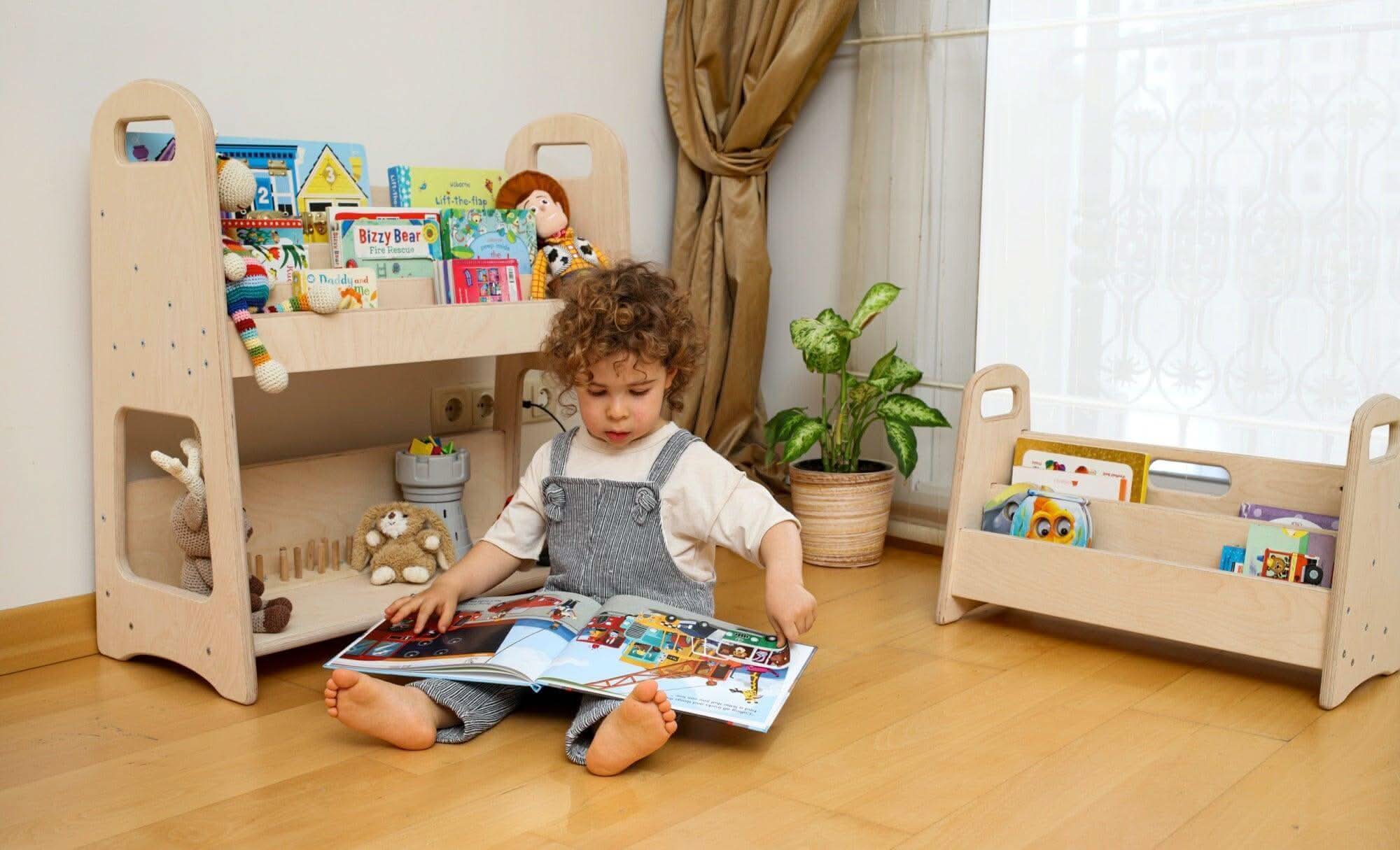
Imagine a low toy shelf that’s easily accessible for little hands, inviting toddlers to explore and engage with their educational toys. This isn’t just about tidying up; it’s about creating an environment that fosters independence and imaginative play. With the right setup, your child can learn to choose their activities, leading to hours of open-ended fun!
In this guide, we’ll dive into how to create the perfect Montessori-inspired toy storage system think minimalist toy storage that’s both functional and aesthetically pleasing. From selecting wooden toy shelves that fit your space to designing layouts that encourage exploration, we’ve got all the tips you need.
Key Takeaway: A well-organized playroom with a thoughtfully designed educational toy shelf can boost your child's learning experience while keeping your space tidy.
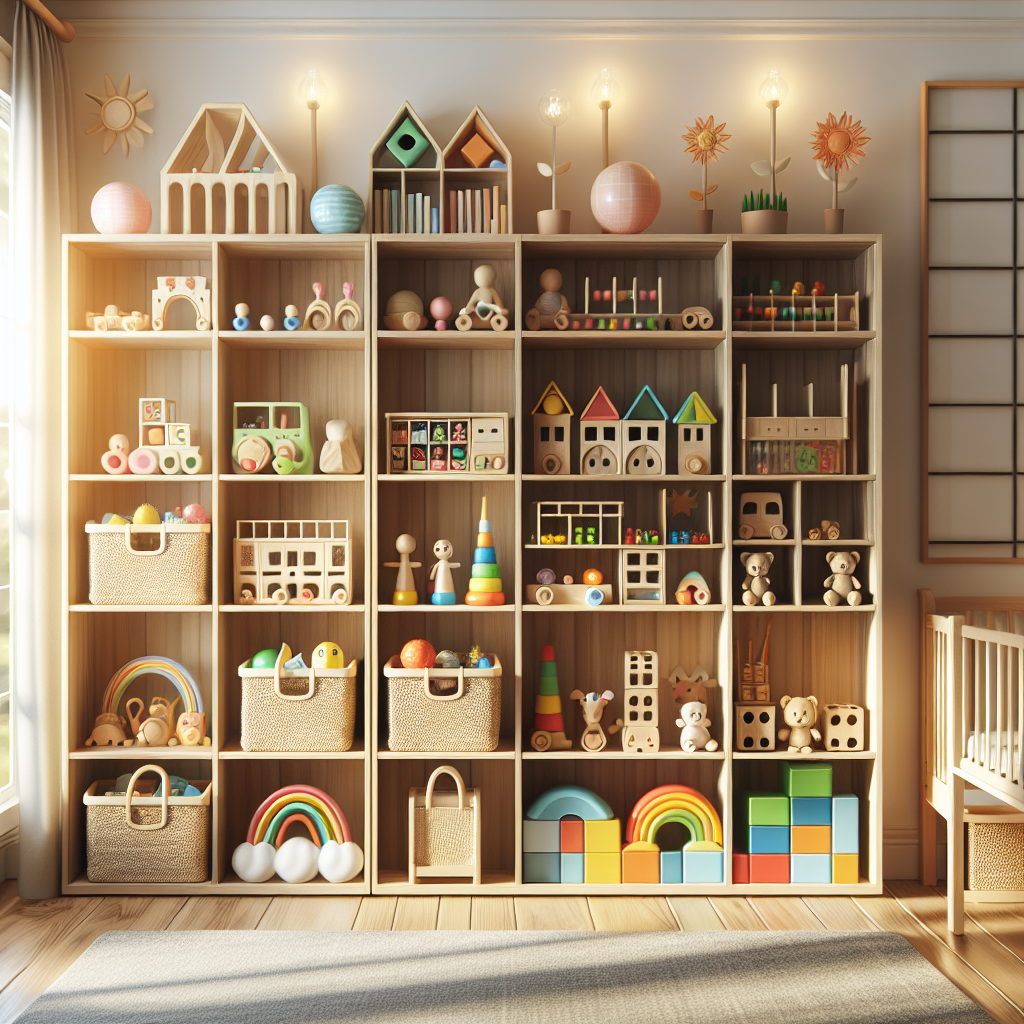
Ready to transform your toddler's room into a haven of creativity? Let’s jump right into understanding the Montessori principles behind effective toy storage!
Understanding Montessori Principles in Toy Storage
When it comes to organizing your child's toys, embracing Montessori principles can transform a chaotic playroom into a serene space that fosters creativity and independence. Think of it as setting the stage for a play that encourages exploration and learning without the clutter!
Importance of Open-Ended Play
Open-ended play is the bread and butter of Montessori education. It allows children to engage with their toys in imaginative ways, sparking creativity and problem-solving skills. A well-organized Montessori toy shelf serves as an invitation for kids to dive into their own adventures, whether they’re building a fort or creating a miniature world.
Child-Led Organization
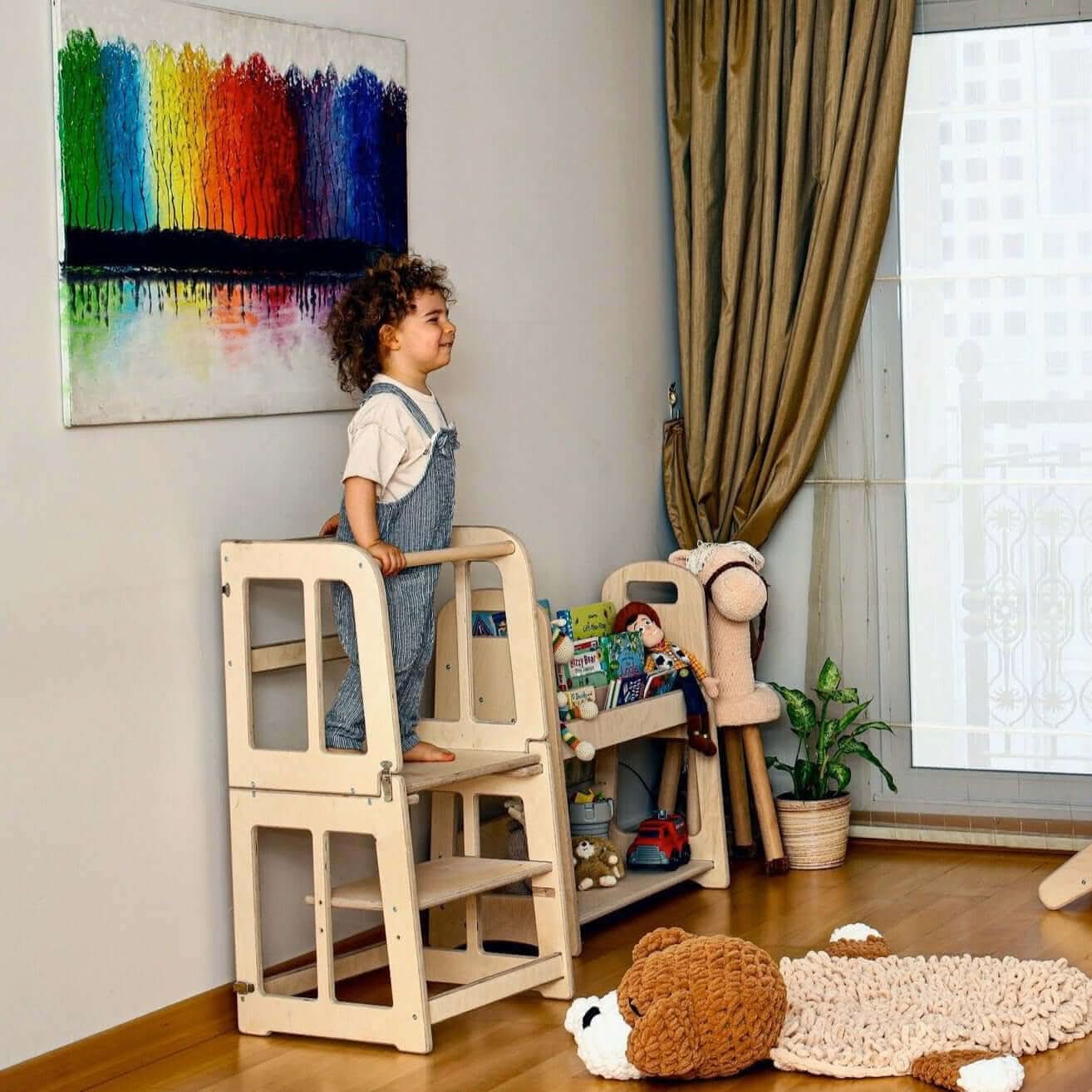
Ever noticed how kids love to take charge? By implementing child-led organization, you empower them to choose how they want their toys displayed and accessed. This not only enhances their decision-making skills but also promotes responsibility. A low toy shelf makes it easy for toddlers to reach their beloved items without needing a ladder (or your help!).
Creating a Functional Play Space
A functional play space is like a well-orchestrated symphony every element plays its part harmoniously. The key is simplicity: use minimalist toy storage solutions that allow kids to see what they have at a glance. An educational toy shelf with clear bins or open displays encourages children to tidy up after themselves, making cleanup feel less like a chore and more like an adventure.
Key Takeaway: Implementing Montessori principles in your child's toy storage can lead to enhanced creativity, independence, and responsibility.
Choosing the Right Montessori Toy Shelf
When it comes to crafting a Montessori toy shelf that not only looks great but also supports your child's development, there are a few key features to keep in mind. Think of it as building a stage for your little one’s imagination to flourish!
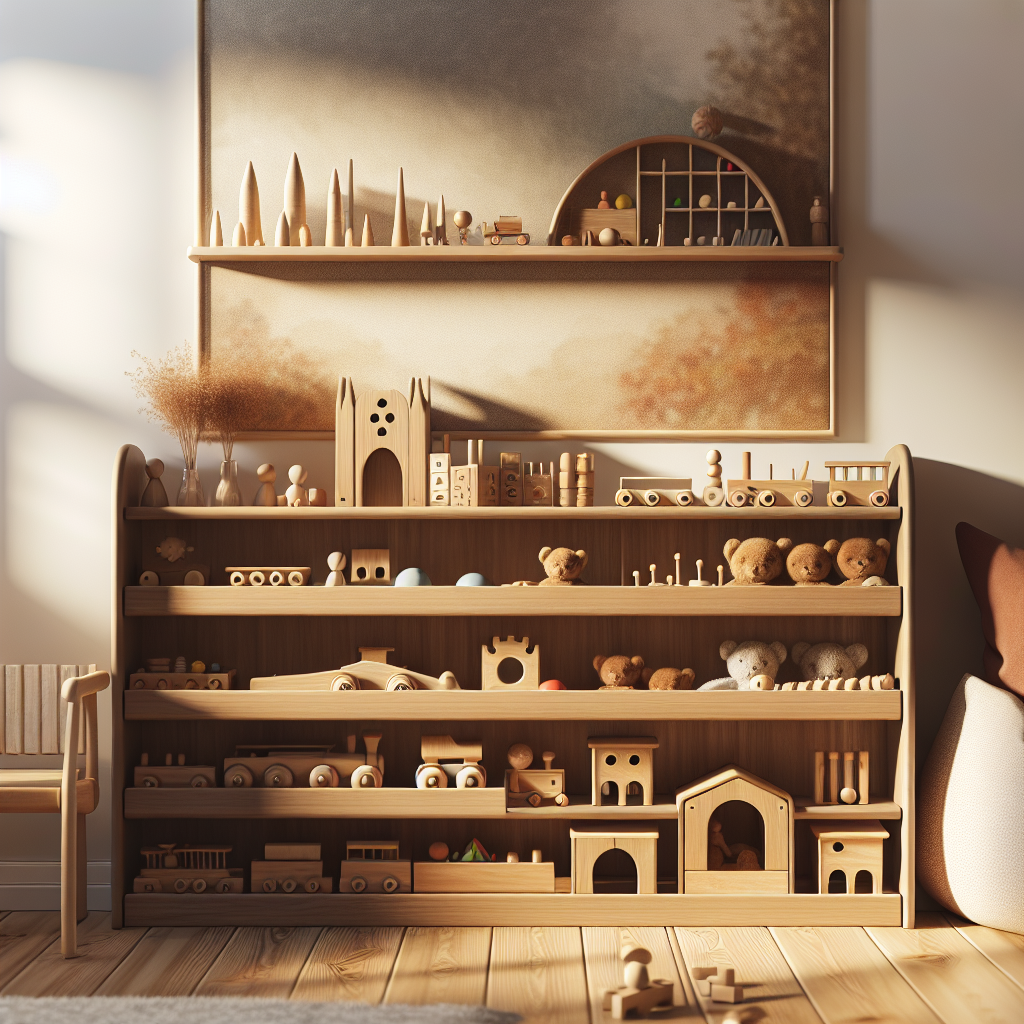
Features of an Ideal Wooden Toy Shelf
A good wooden toy shelf is like the Swiss Army knife of playroom furniture. Here’s what you should look for:
- Sturdy Construction: Choose a shelf that can withstand the enthusiastic handling of tiny hands. Solid wood is often the best choice for durability.
- Low Height: A low toy shelf allows toddlers to easily access their treasures, promoting independence and self-directed play.
- Open Design: Opt for an open-ended play shelf that encourages kids to see and choose what they want to play with, fostering decision-making skills.
Benefits of a Low Toy Shelf for Toddlers
A low toy shelf isn't just practical; it's practically magical! Here’s why:
- Encourages Exploration: With everything within reach, toddlers are more likely to engage with their toys and explore different activities.
- Promotes Organization: Kids learn to put things back where they belong when they can easily see their options.
- Aids in Development: A well-organized space contributes to cognitive development by allowing children to focus on one activity at a time.
Customization Options for Different Spaces
Your home is unique, and so should be your Montessori shelving system! Consider these customization options:
- Add Baskets or Bins: Incorporate colorful baskets for smaller items to keep everything tidy while still visible.
- Create Zones: Designate areas on the shelf for different types of toys think educational toy shelf versus imaginative play materials.
- Select Colors Wisely: Choose colors that complement your home decor while also stimulating your child’s creativity.
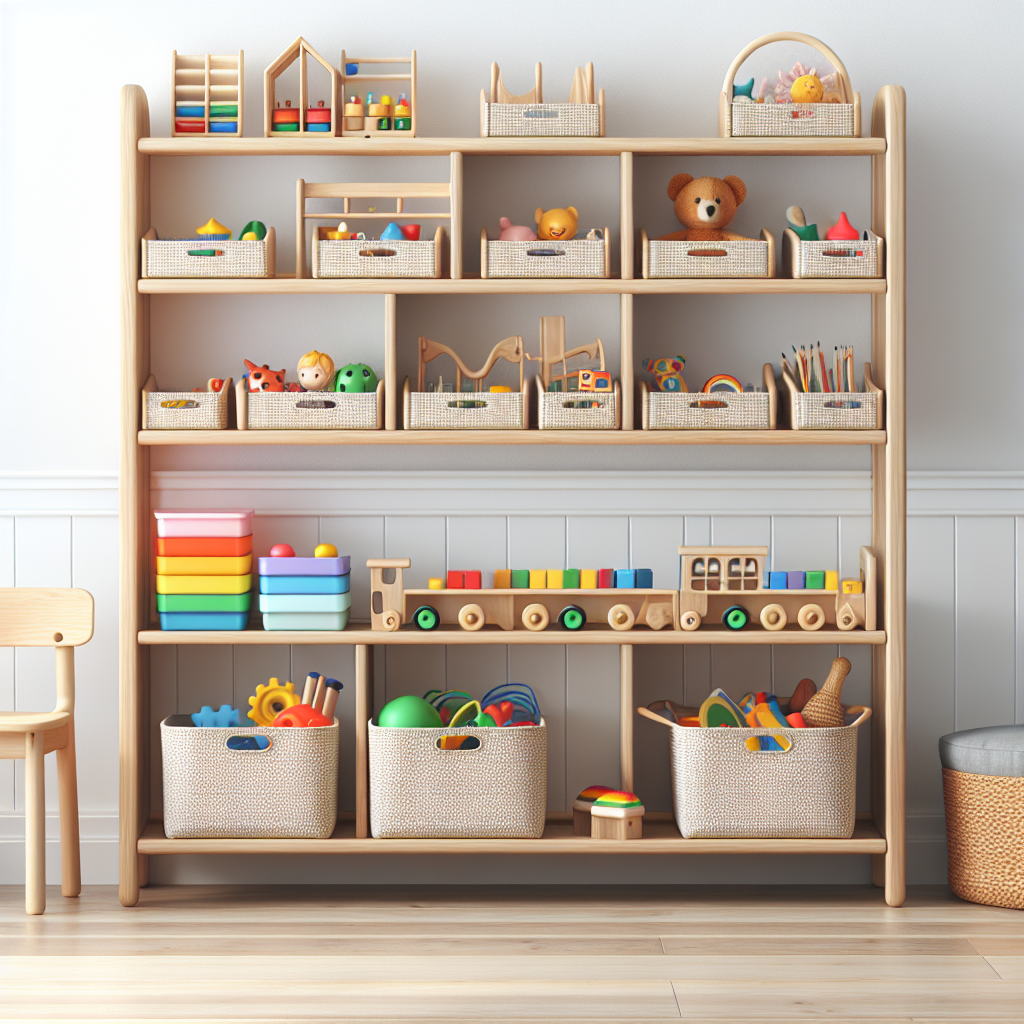
The right Montessori toy shelf can transform your child's play area into an engaging learning environment. Remember, it's not just about storage; it's about fostering creativity and independence!
Designing Your Educational Toy Shelf Layout
Creating the perfect Montessori toy shelf layout is like crafting a masterpiece it requires thought, creativity, and a dash of organization. Here’s how to make your educational toy shelf not just functional, but also a vibrant play space that sparks joy and learning.
Arranging Toys for Easy Access and Visibility
Imagine walking into a room where every toy is calling out to be played with. The key here is to arrange toys on your low toy shelf so that they are easily accessible for little hands. Here are some tips:
- Eye Level Matters: Place the most frequently used toys at eye level. This invites toddlers to dive right in without needing a climbing expedition.
- Group by Activity: Organize toys by type puzzles with puzzles, blocks with blocks. This not only looks tidy but also encourages kids to pick similar items for cohesive play.
- Use Baskets or Trays: Incorporate baskets or trays for smaller items. They keep things contained and make cleanup a breeze!
Incorporating Montessori Inspired Furniture Elements
Your educational toy shelf should harmonize with the overall aesthetic of your space while reflecting Montessori principles. Think of your shelf as an extension of your child's learning environment:
- Simplicity is Key: Choose furniture that is simple yet inviting. A well-designed wooden toy shelf can serve as both storage and decor!
- Create Zones: Designate specific areas on the shelf for different types of play art supplies in one section, building blocks in another. This fosters independence as children learn to choose their activities.
- Add Natural Elements: Incorporate plants or natural wood textures to create a calming environment that enhances focus and creativity.
Utilizing Vertical Space with Practical Kids Shelving Units
If you're working with limited space, think vertically! A well-structured Montessori shelving system can maximize your area while keeping everything organized:
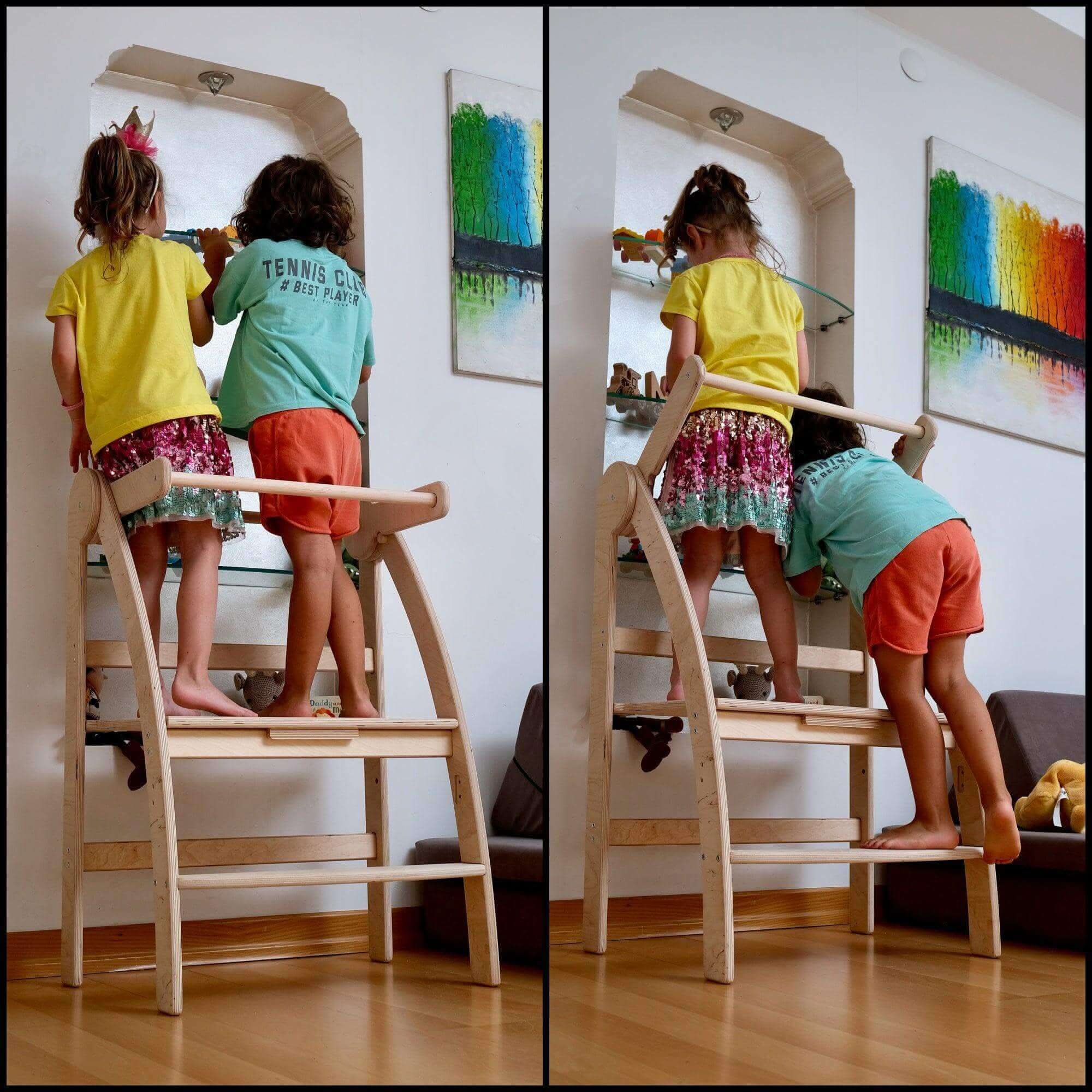
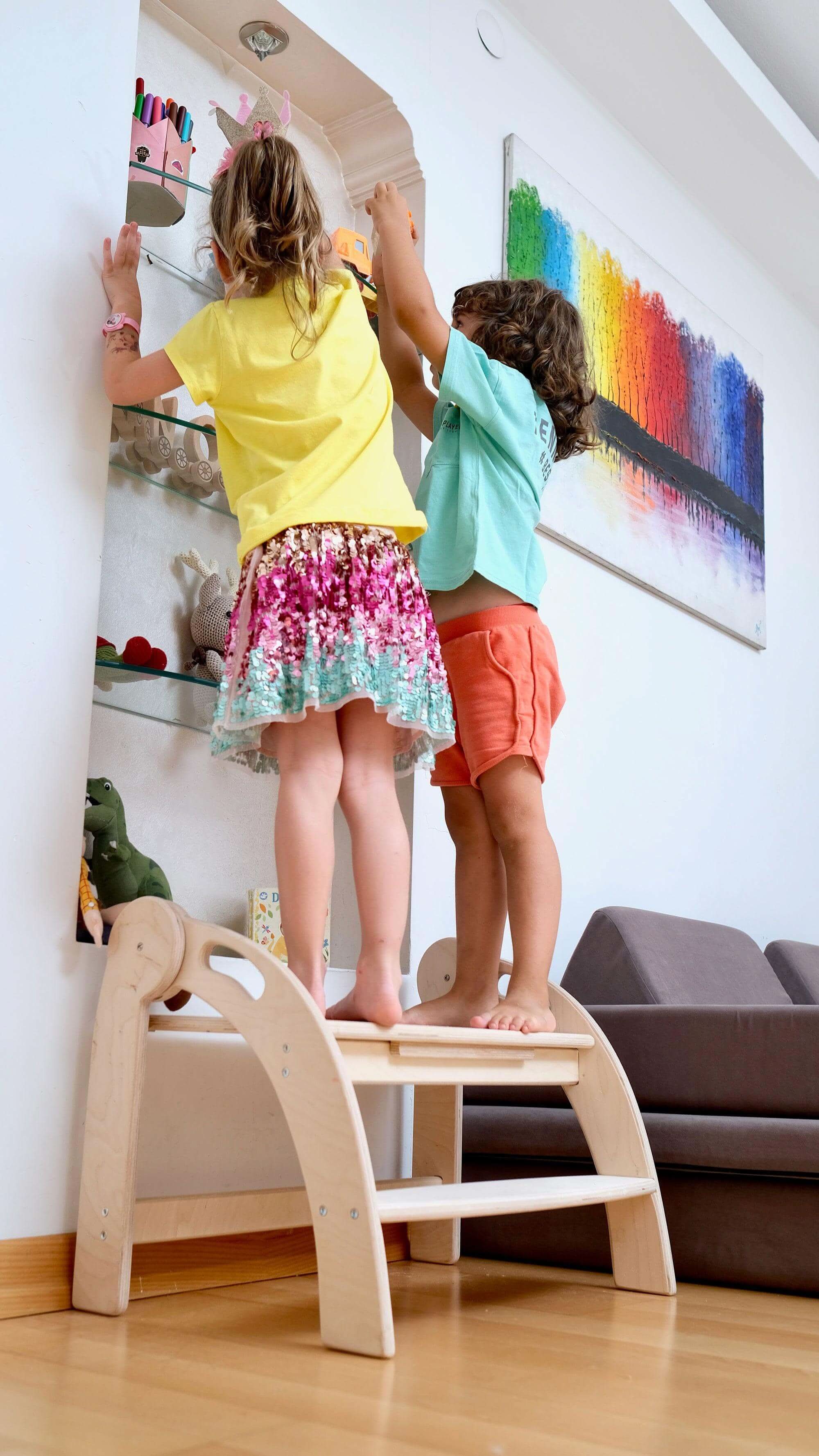
- Tall Shelves with Lower Heights: Opt for tall shelving units that are still low enough for kids to reach their favorite toys without assistance.
- Add Hooks or Pegboards: Use hooks for hanging art supplies or dress-up clothes, turning vertical space into functional storage.
- Create Layers: Use tiered shelving to display toys at different heights, making it visually appealing while promoting engagement.
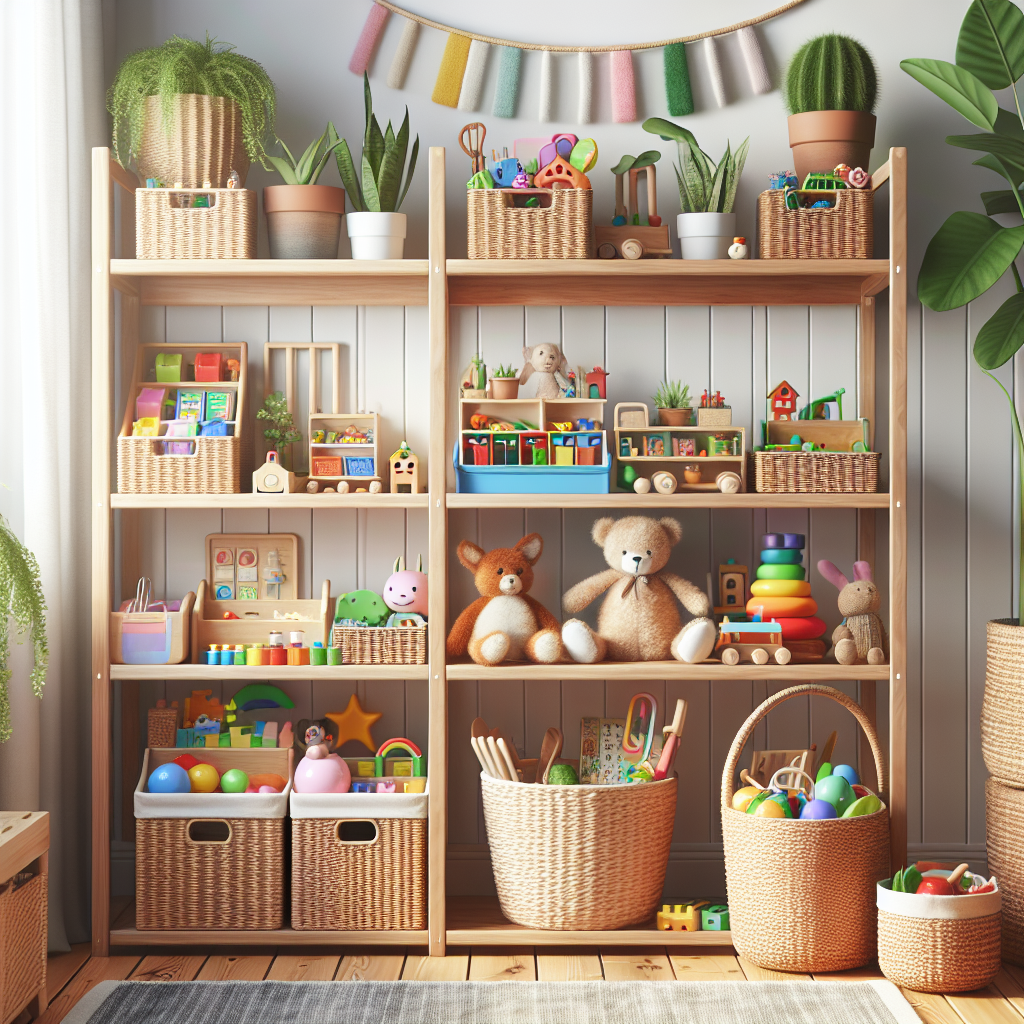
Remember: A well-organized educational toy shelf not only declutters your space but also empowers children to explore independently!
The layout of your educational toy shelf should be as dynamic as the kids who use it! By arranging toys thoughtfully, incorporating Montessori inspired furniture elements, and utilizing vertical space effectively, you can create an engaging environment that promotes open-ended play and supports child development.
Sustainable and Eco-Friendly Toy Storage Solutions
When it comes to creating a Montessori toy shelf, sustainability is not just a trend it's a responsibility. Think of your child's toy storage as a mini-ecosystem; every choice impacts the world around us. Let's dive into how you can build an eco-friendly toy storage system that’s as kind to the planet as it is to your little ones.
Selecting Materials for Child-Friendly Shelves
First things first, let’s talk materials. Opt for natural, sustainable resources like bamboo or reclaimed wood for your Montessori shelving system. These materials are durable, safe for toddlers, and give off that warm, rustic charm that makes any playroom feel cozy. Plus, they’re biodegradable, which means they won’t haunt landfills for centuries!
Benefits of Sustainable Toy Storage Options
Why go green with your educational toy shelf? Here are some compelling reasons:
- Healthier Environment: Non-toxic finishes and natural materials mean fewer chemicals in your home.
- Durability: Sustainable materials often last longer than their synthetic counterparts no more flimsy plastic shelves!
- Teaching Values: By choosing eco-friendly options, you instill values of responsibility and care for the environment in your children from a young age.
DIY Ideas for Eco-Friendly Shelving Units
If you're feeling crafty (or just want to save some bucks), consider DIY shelving! Here are some fun ideas:
- Pallet Shelves: Repurpose old pallets into a charming low toy shelf. Sand them down, add some non-toxic paint or varnish, and voila! You've got yourself an eye-catching storage solution.
- Bamboo Racks: Use bamboo rods to create simple yet effective shelves that can hold all those educational toys without taking up too much space.
- Cork Board Backing: Attach cork board to the back of wooden shelves to create an interactive space where kids can pin up their artwork or hang small toys.
Takeaway: Sustainable toy storage solutions not only benefit the environment but also enhance your child's play experience by providing a safe and engaging space. Invest in quality materials and get creative with DIY projects to make your Montessori-inspired furniture truly unique!
Toddler Room Organization Tips for Parents
Welcome to the world of toddler room organization, where chaos meets creativity! If you’re a parent, you know that keeping your little one’s space tidy can feel like a never-ending game of whack-a-mole. But fear not! With a few Montessori-inspired strategies, you can transform that cluttered play area into a serene sanctuary for learning and exploration.
Implementing Minimalist Toy Storage Strategies
First things first: let’s talk about the beauty of minimalist toy storage. Think of it as Marie Kondo meets Montessori. The idea is to keep only the toys that spark joy and learning, while ensuring your toddler has easy access to them. Here’s how:
- Rotate Toys: Keep a selection of toys on display on your Montessori toy shelf, and store away others. This keeps things fresh and exciting!
- Limit Quantity: Aim for a small collection of high-quality, educational toy shelf items that encourage open-ended play. Fewer toys mean less mess!
- Use Clear Bins: Utilize transparent storage containers so kids can see what’s inside. It’s like giving them their own treasure chest!
Tidy Playroom Solutions That Work for All Ages
A tidy playroom is not just about aesthetics; it’s about creating an environment conducive to learning and growth. Here are some clever tips:
- Label Everything: Use pictures or words to label bins and shelves. This helps little ones learn where things go, fostering independence.
- Create Zones: Designate areas for different activities like art, reading, or building using your wooden toy shelf as dividers.
- Encourage Cleanup Time: Make tidying up a fun game! Set a timer and see how many toys they can put away before it goes off.
Cultivating Independence Through Organized Spaces
The ultimate goal here is to cultivate independence in your toddler after all, they’re mini explorers in training! Here’s how organized spaces help:
- Accessible Shelving: Use low toy shelves so children can reach their toys without assistance. This promotes self-sufficiency!
- Simplified Choices: Limit options to avoid overwhelming them; too many choices can lead to decision paralysis.
- Encourage Responsibility: Teach them to care for their belongings by involving them in the organization process. It’s teamwork at its finest!
Remember: A well-organized space not only looks good but also supports your child's development by encouraging autonomy and responsibility.
Playroom Storage Ideas to Enhance Child Development
When it comes to creating a nurturing environment for our little ones, the right Montessori toy shelf can make all the difference. Think of it as a magical portal that transforms chaos into creativity! Here are some playroom storage ideas that not only keep toys organized but also foster child development.
The Role of a Kids Activity Shelf in Learning Environments
A well-structured kids activity shelf is more than just a storage solution; it's an essential tool for learning. By using an educational toy shelf, children can:
- Explore Independently: With everything at their fingertips, kids can easily choose what to play with, promoting decision-making skills.
- Engage in Open-Ended Play: A low toy shelf allows for easy access to various materials, encouraging imaginative play that develops critical thinking.
- Learn Through Organization: Teaching children how to maintain their space fosters responsibility and pride in their environment.
Create an Imaginative Play Area Setup Guide
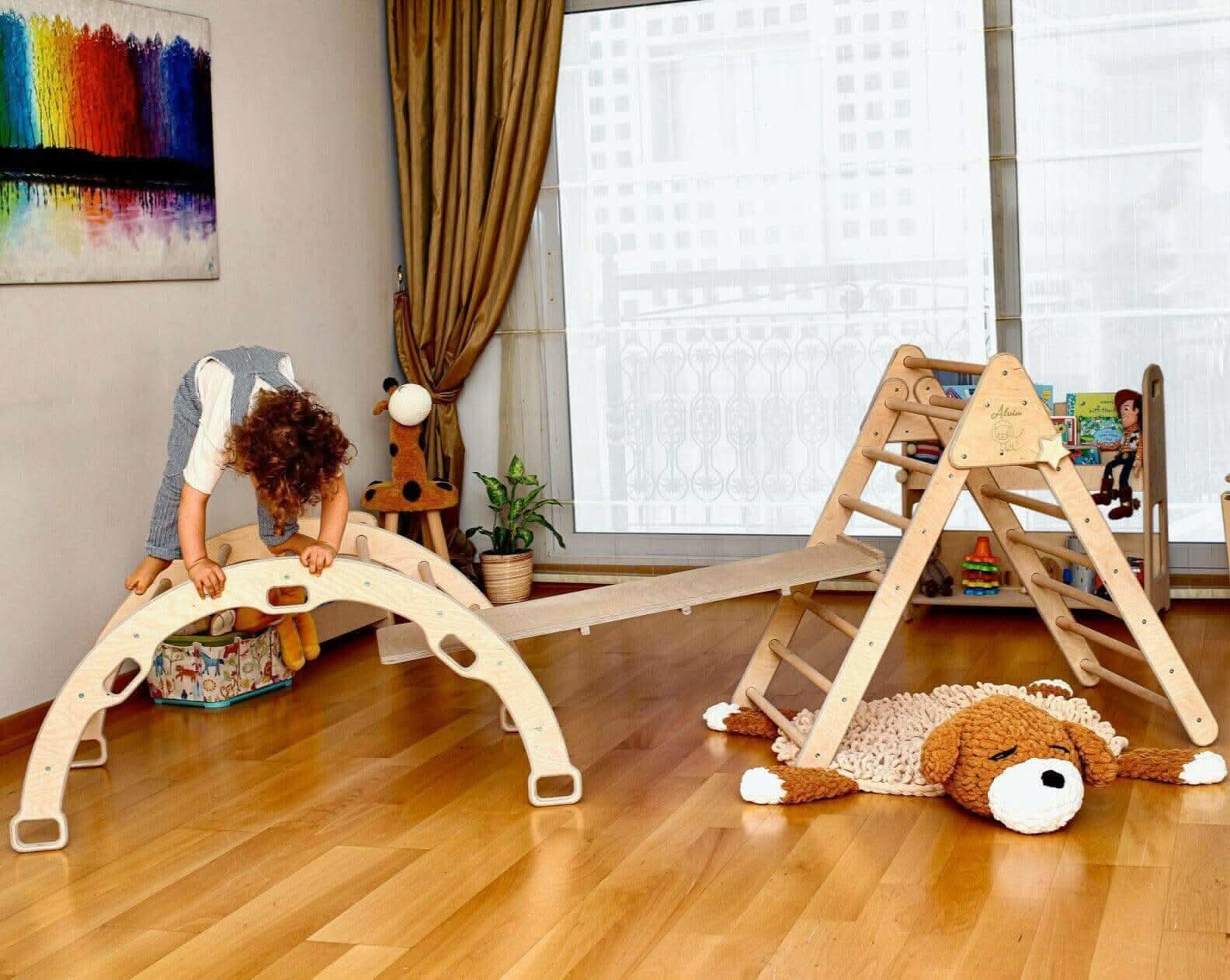
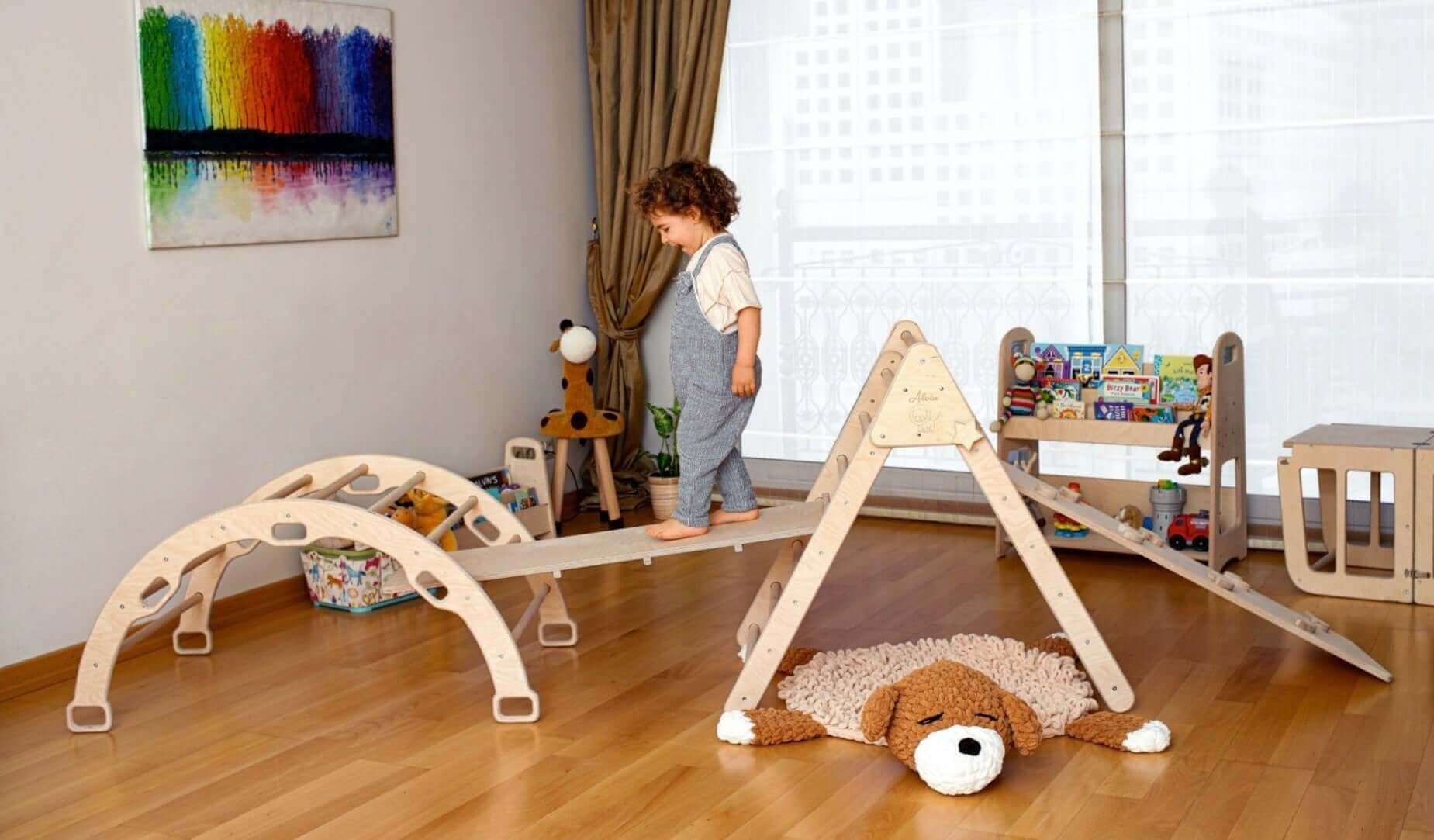
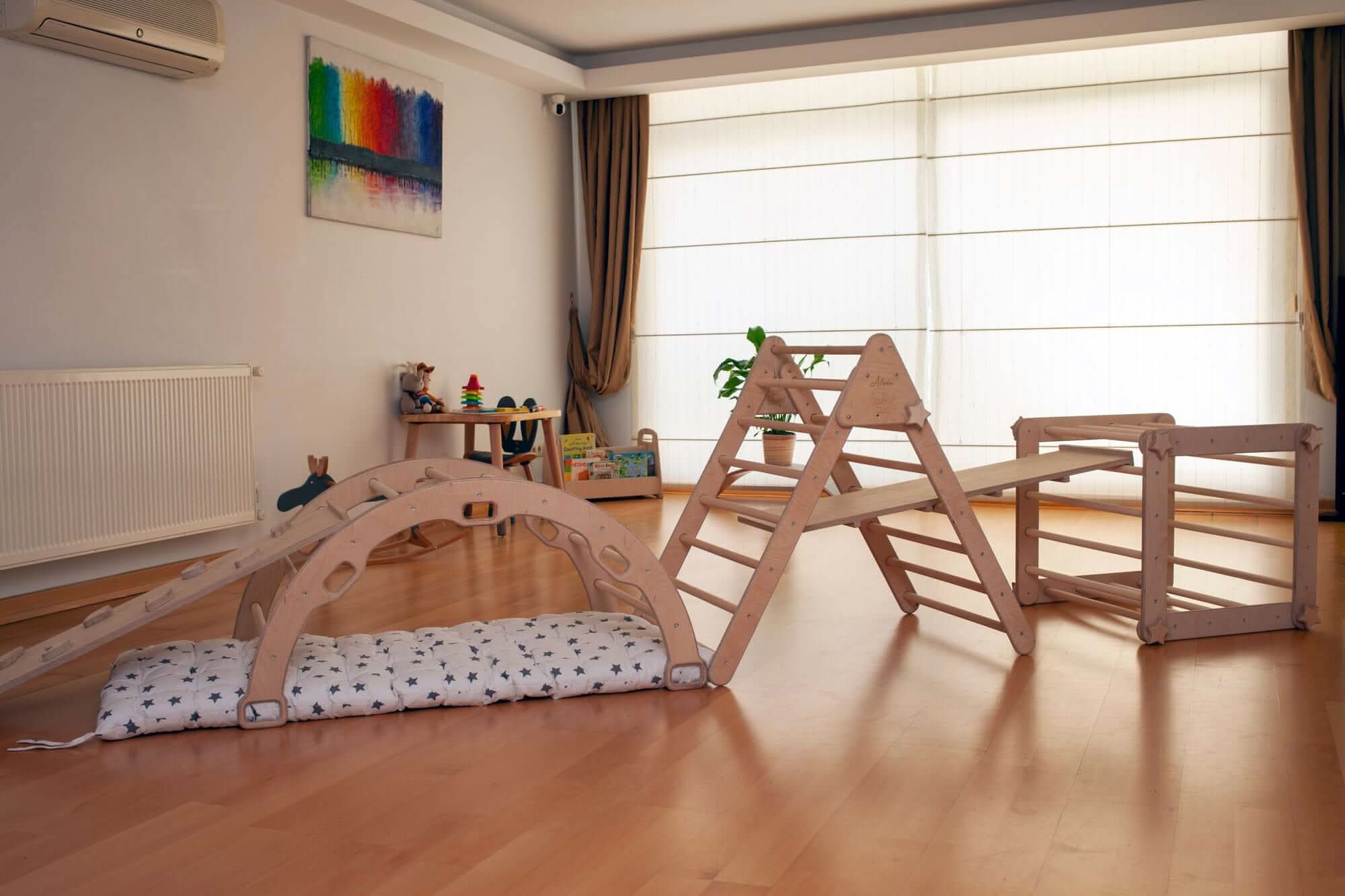
An imaginative play area isn't just about aesthetics; it's about creating a space that inspires creativity and exploration. Here’s how you can set it up:
- Choose the Right Location: Position your Montessori shelving system in a well-lit area where children feel comfortable and relaxed.
- Select Versatile Kids Storage Options: Incorporate open-ended play shelves that allow for flexibility. Think about using wooden toy shelves that can be rearranged as needed!
- Add Interactive Elements: Include sensory bins or art supplies on the kids activity shelf to spark curiosity and hands-on learning.
- Create Zones: Designate specific areas for different types of play like arts and crafts, building blocks, or reading nooks to encourage focused activities.
Fun Fact: Studies show that children who engage in organized play are more likely to develop problem-solving skills and social abilities!
By implementing these playroom storage ideas, you're not just organizing toys; you're laying the foundation for your child's development. A tidy playroom can lead to tidy minds so let’s get those creative juices flowing!
Conclusion
Creating the perfect Montessori toy shelf is more than just a storage solution; it's a gateway to nurturing your child's independence and creativity. By understanding the principles of Montessori education, you can design a space that encourages open-ended play and exploration.
As we've explored, choosing the right wooden toy shelf is crucial. Look for features that promote accessibility and visibility, such as a low toy shelf that allows your little ones to reach their treasures without assistance. Remember, a well-organized educational toy shelf not only keeps clutter at bay but also fosters a sense of responsibility in your child.
Key Takeaways:
- Opt for sustainable materials when selecting your Montessori shelving system.
- Incorporate minimalism to keep distractions at bay and promote focus.
- Utilize vertical space creatively with practical kids shelving units.
Don't forget about the layout! Arranging toys for easy access transforms your playroom into an inviting environment where learning happens naturally. And while you're at it, consider integrating some Montessori inspired furniture elements that complement your child's activity needs.
Finally, embrace the idea of customizable Montessori shelves. Tailoring storage solutions to fit your space and your child's preferences can make all the difference in creating an engaging play area.
If you're ready to take the plunge into Montessori-style organization, start small. Tackle one area of your playroom at a time and watch as it transforms into a tidy haven for imaginative play. Your child will thank you for it!