


· Von halit burak capraz
How to Set Up Your Home with Quality Montessori Furniture
Creating a nurturing and stimulating environment for your little ones is essential for their development, and choosing the right Montessori furniture can make all the difference. In this blog post, we’ll explore how to transform your home into a Montessori-inspired haven, focusing on child-sized furniture, thoughtful storage solutions, and functional layouts that encourage open-ended play and learning. Whether you’re setting up a cozy bedroom or an engaging play area, we’ll guide you through the principles of Montessori design to help you create a space where your children can thrive.
Understanding Montessori Principles
A key aspect of Montessori principles is the emphasis on child-centered design. This approach prioritizes the needs, interests, and developmental stages of children, ensuring that their environments are tailored to foster growth and independence. Furniture plays a crucial role in this design philosophy, as it must be both functional and accessible for children.
Importance of child-centered design
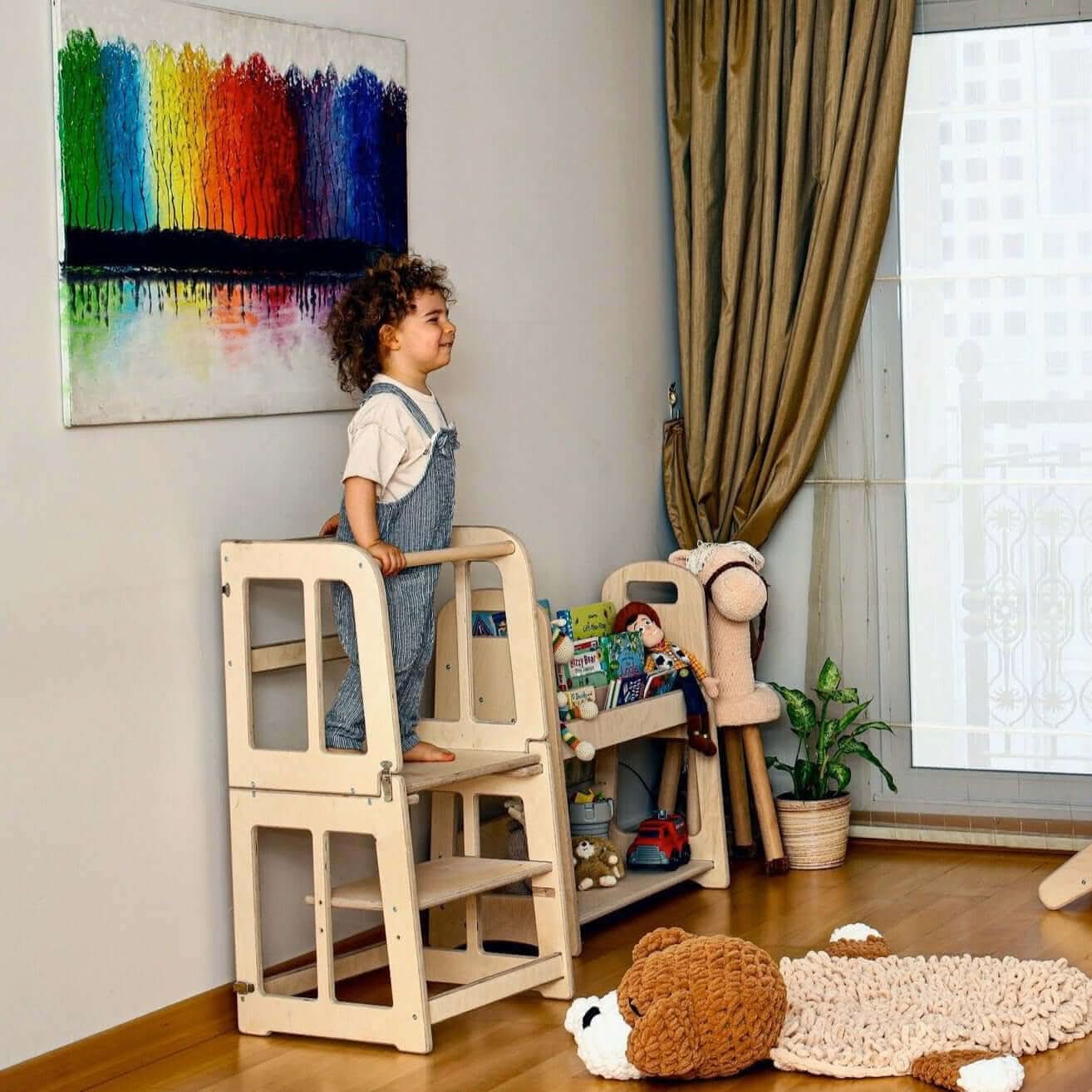
Child-centered design means that every piece of furniture should be sized appropriately for kids. For example, toddler furniture like low tables and chairs allows children to sit comfortably without assistance. This accessibility encourages autonomy—something essential in a Montessori environment. When children can navigate their space without adult intervention, they develop confidence and decision-making skills.
Encouraging independence and exploration
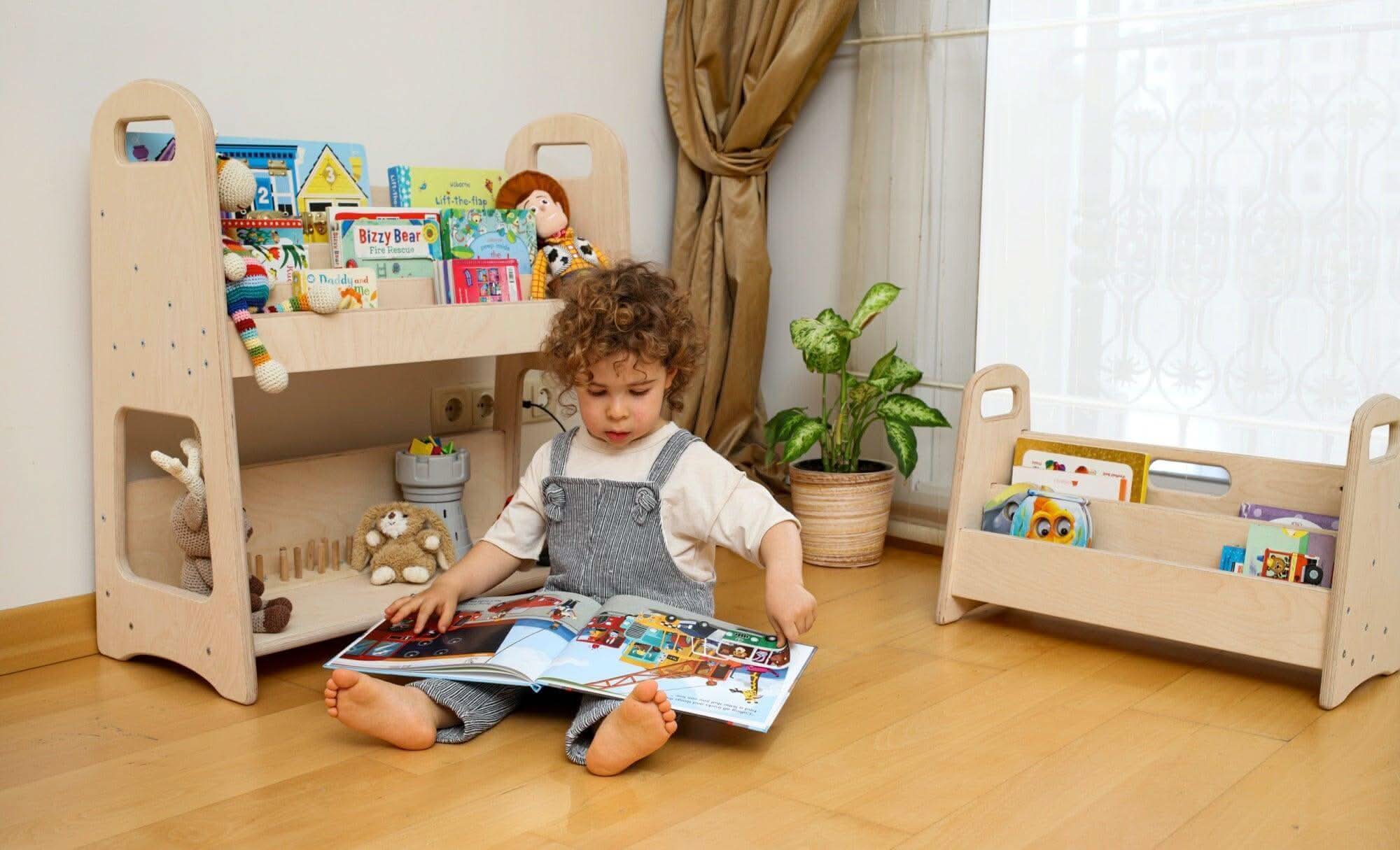
Montessori shelving is designed to promote independence by making materials visible and within reach. Children can choose what they want to engage with, fostering a sense of ownership over their learning process. However, it's important to curate these materials carefully; too many options can lead to overwhelm rather than exploration.
For instance, consider a playroom setup where wooden Montessori furniture showcases art supplies on an open shelf. A child can easily access crayons or paper without needing help from adults. This setup not only supports creative expression but also reinforces self-sufficiency as they learn to put materials back after use.
Creating a safe and accessible environment
Safety in a Montessori context extends beyond physical safety; it encompasses emotional safety as well. Child-friendly furniture should be stable and durable while allowing for freedom of movement. Additionally, using natural wood furniture contributes to a calming atmosphere that encourages focus and creativity.
'Functional children's decor items should support both safety and accessibility.'
Remember: A clutter-free environment helps children concentrate better.
Mindfulness-infused youth quarters innovations remind us that every element in a child's space matters. The arrangement of furniture should allow for easy movement while minimizing distractions. For example, using modular children's furniture lets you adapt the layout as your child grows or their needs change—an essential consideration in any Montessori-inspired home.
Choosing the Right Montessori Furniture
Selecting the right Montessori furniture goes beyond aesthetics; it directly impacts a child's ability to learn and grow. The furniture should not only be functional but also designed to foster independence, allowing children to interact with their environment confidently.
Materials to consider: wood vs. plastic
When choosing Montessori furniture, the material plays a critical role. Wooden Montessori furniture is often preferred for its durability and aesthetic appeal. Natural wood is not only sturdy but also provides a warm, inviting atmosphere that enhances focus and creativity.
In contrast, plastic furniture might seem more convenient due to its lightweight nature and lower cost. However, it can lack the tactile quality and emotional connection that wood provides. For example, a well-crafted wooden table can become a centerpiece for creativity in a child's play area, while plastic options may feel more disposable.
Size and scale appropriate for children
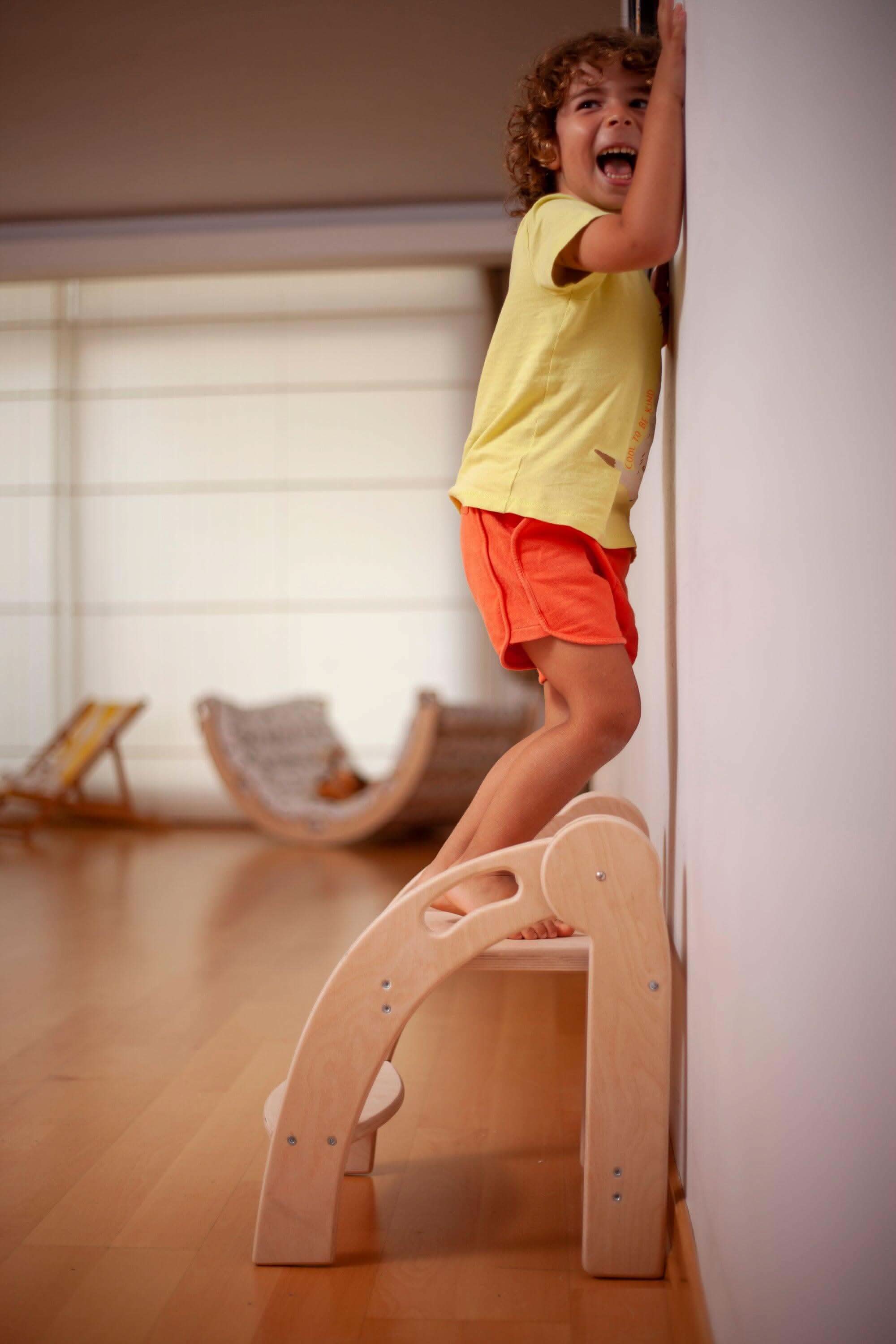
Child-sized furniture is essential in a Montessori setting. It allows children to engage with their space actively rather than relying on adults for assistance. For instance, low tables and chairs empower toddlers to sit comfortably while working on projects or enjoying meals.
However, many parents underestimate the importance of scale—furniture that is too large can intimidate or restrict movement. Choosing appropriately sized pieces encourages exploration and independence as children navigate their surroundings.
- Use chairs that allow feet to touch the ground for stability.
- Opt for tables that are low enough for children to reach without straining.
Versatility and adaptability of furniture pieces
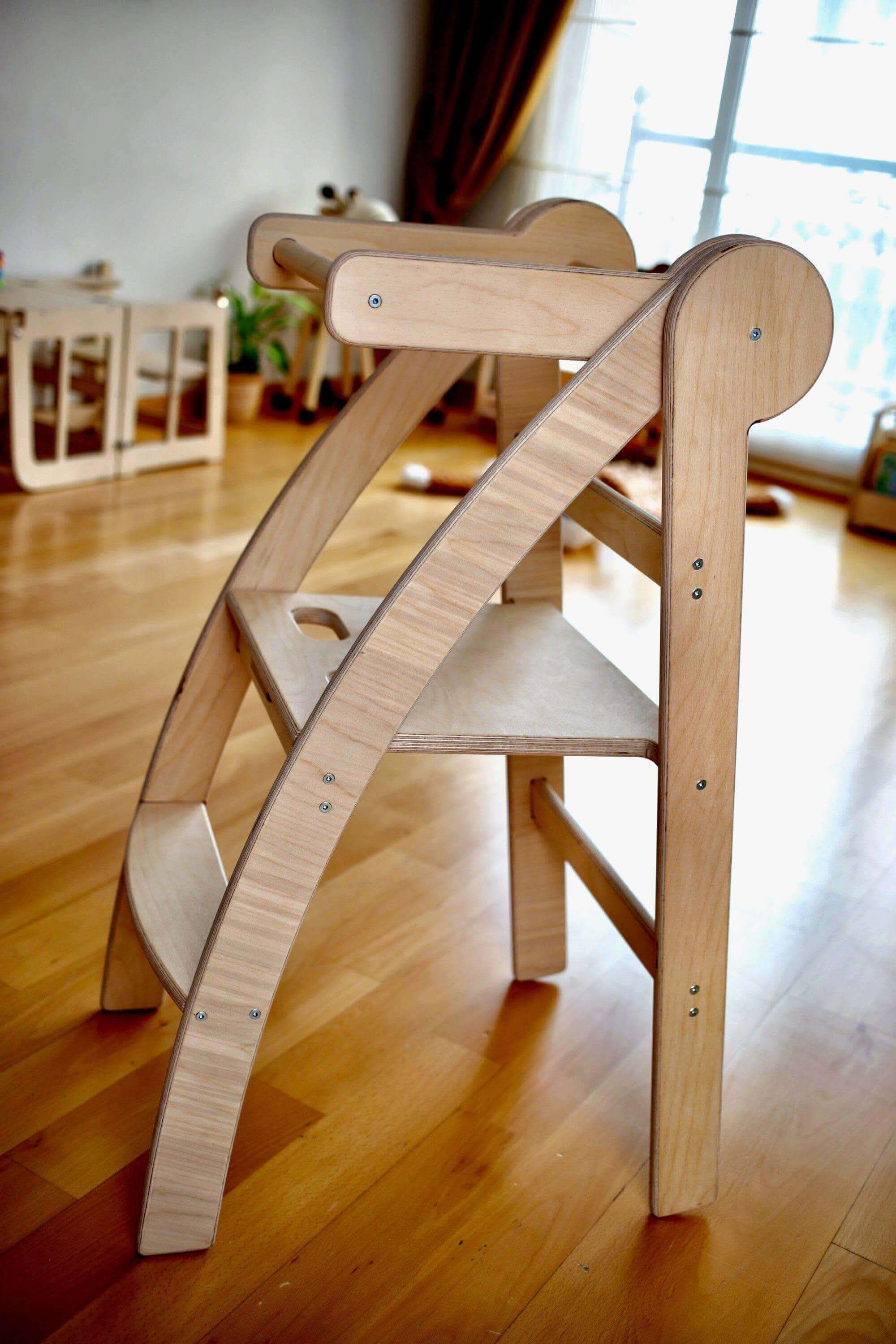
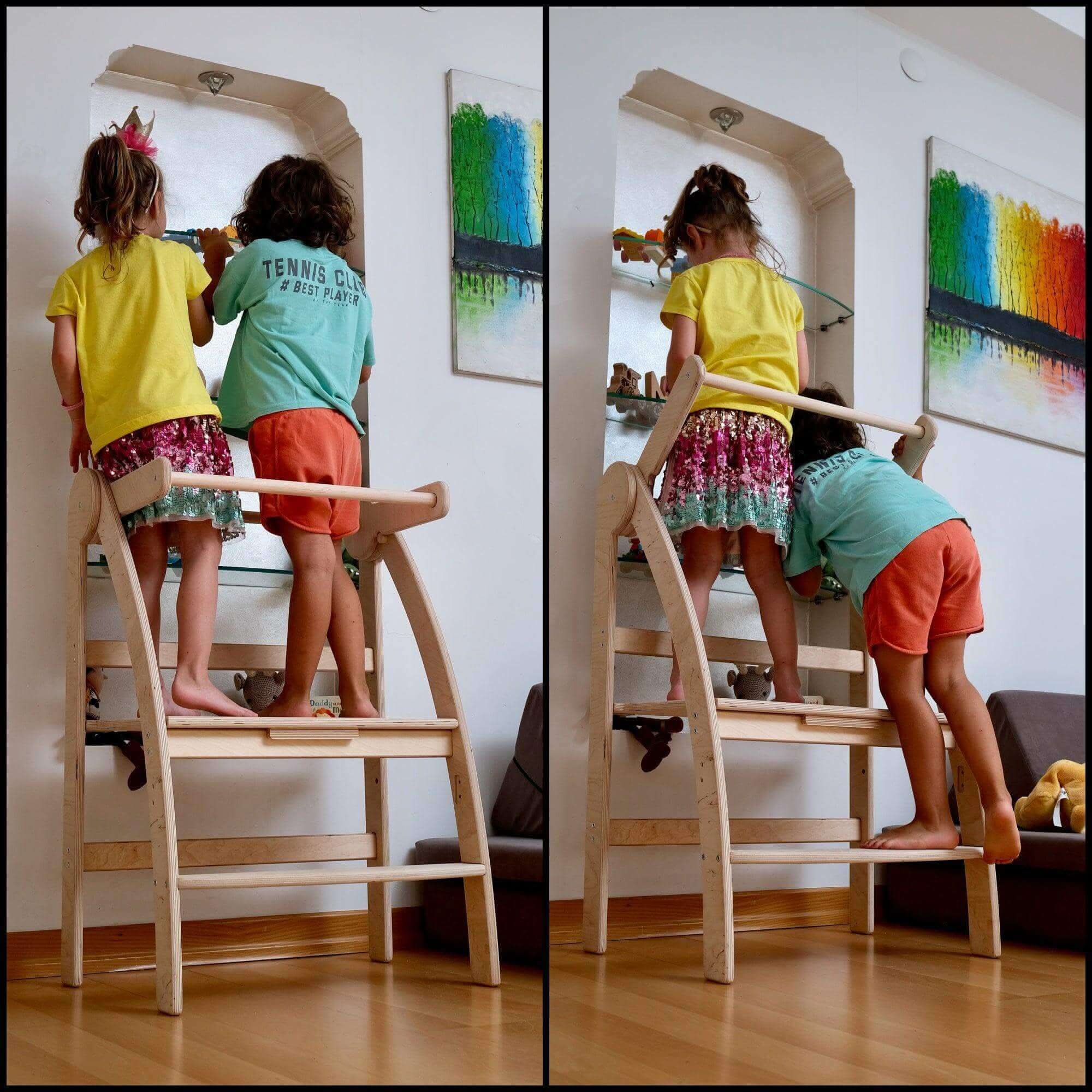
Versatile furniture pieces can significantly enhance a Montessori environment by adapting to the changing needs of growing children. For example, an adjustable children's desk can accommodate various tasks from drawing to studying over several years.
Investing in multi-purpose kids' furnishings saves space and money over time.
Additionally, modular children's furniture allows you to reconfigure your setup easily as your child's interests evolve or as you redesign spaces within your home. A simple bookshelf can transform into a play area divider or storage solution depending on how you arrange it.
Consider the long-term value of adaptable furniture when making purchases.
Overall, incorporating these elements when selecting Montessori furniture leads not only to functional spaces but also supports children's developmental needs effectively.
Setting Up a Montessori Bedroom
A Montessori bedroom should prioritize accessibility and independence, allowing children to navigate their space freely. This means choosing low beds that encourage easy access, enabling toddlers to get in and out of bed without assistance. Low beds eliminate the fear of falling from high surfaces and instill confidence in young children as they learn to manage their own sleep routines.
Choosing low beds for easy access
Opt for a low-profile bed frame that is just a few inches off the ground. This setup not only caters to safety but also empowers children to take charge of their sleep environment. For instance, a simple wooden Montessori bed allows a child to climb in and out with ease, fostering autonomy at bedtime.
However, it’s crucial to consider the transition from crib to bed carefully. Some parents rush this change, leading to nighttime anxieties or sleep disruptions. Gradual adjustments can help ease this transition; for example, introducing a floor mattress beside the bed can provide comfort during the adjustment phase.
Incorporating open storage solutions
Open storage solutions are essential in a Montessori bedroom as they promote organization and independence. Using shelves at child height allows kids to select toys and books without adult intervention. This not only encourages ownership of their belongings but also instills responsibility.
For example, using modular shelving units made from natural wood can create an inviting space where children can easily access their favorite items while learning to put them away afterward. It's important to balance accessibility with curation; too many choices can lead to overwhelm.
- Use labeled bins or baskets for easy identification of toys.
- Incorporate low bookshelves that showcase book covers outward.
An uncluttered environment enhances focus and play.
Creating a cozy reading nook with appropriate furniture
Designing a reading nook within the bedroom provides a dedicated space for quiet time and fosters a love for reading. Incorporating child-sized furniture like small chairs or cushions invites kids into this area comfortably. The seating should be ergonomic to support healthy posture during extended reading sessions.
Consider adding elements like soft lighting or wall-mounted bookshelves that keep books within reach yet organized. A cozy corner with low seating options creates an inviting atmosphere that encourages independent exploration of literature.
A well-placed reading nook can significantly enhance literacy development by providing regular opportunities for quiet engagement.
Common misconceptions include assuming that children's spaces need less attention than adult areas; however, thoughtful design in children's spaces is just as critical for promoting healthy habits and interests.
Designing a Montessori Play Area
A well-designed Montessori play area is pivotal for fostering exploration and creativity in children. The layout should encourage open-ended play, where children can engage with their environment freely and safely. This design philosophy emphasizes the importance of selecting furniture that promotes independence, accessibility, and adaptability.
Selecting multifunctional play tables
Multifunctional play tables serve as the cornerstone of a Montessori play area. These tables should be low enough for children to access easily while being sturdy enough to withstand various activities—whether it's arts and crafts or imaginative play. For instance, a table that can double as a workspace for puzzles and later transition to a dining area can maximize utility.
However, when selecting these tables, consider the potential trade-off between size and functionality. A larger table might accommodate more children but could dominate the room, limiting movement. Conversely, a smaller table may encourage intimacy in play but restrict group interactions.
Using soft seating options for comfort
Soft seating options are essential in creating an inviting atmosphere within a Montessori play area. Incorporating bean bags or floor cushions allows children to choose their seating arrangements based on their activities. This flexibility encourages comfort during extended periods of engagement.
It's important to note that while soft seating enhances comfort, it may not provide adequate support for all activities. For instance, if children are engaged in more focused tasks like drawing or building, having child-sized chairs that promote good posture may be necessary as an alternative.
Incorporating Kidodido toys for interactive play
Incorporating Kidodido toys into your Montessori play area adds an interactive element that aligns with educational principles. These toys are designed to promote hands-on learning and creativity through open-ended play experiences. For example, stacking blocks not only enhance motor skills but also encourage problem-solving as children figure out how to create stable structures.
Interactive toys foster both cognitive development and social skills through collaborative play.
Remember: The right balance of materials supports varied developmental needs—too few options can limit creativity while too many can overwhelm.
Creating a Montessori Learning Space
A well-structured Montessori learning space is crucial for fostering independent exploration and engagement among children. The right furniture setup not only provides accessibility but also encourages self-directed learning. This requires thoughtful choices around desks, chairs, shelving, and sensory materials that align with the principles of Montessori education.
Designing a study area with suitable desks and chairs
Choosing the right desks and chairs is foundational in creating an effective study area. For instance, adjustable children's desks allow for flexibility as kids grow, accommodating various activities from homework to arts and crafts. Opting for ergonomic chairs ensures comfort and proper posture during longer study sessions.
However, parents often overlook the importance of having these furniture pieces at the right height. Desks that are too high can cause strain, while those that are too low can hinder engagement. A practical solution is to involve your child in selecting their desk; this not only fosters ownership but also ensures they feel comfortable using it.
A well-designed study area promotes focus and motivation.
Utilizing wall-mounted shelves for organization
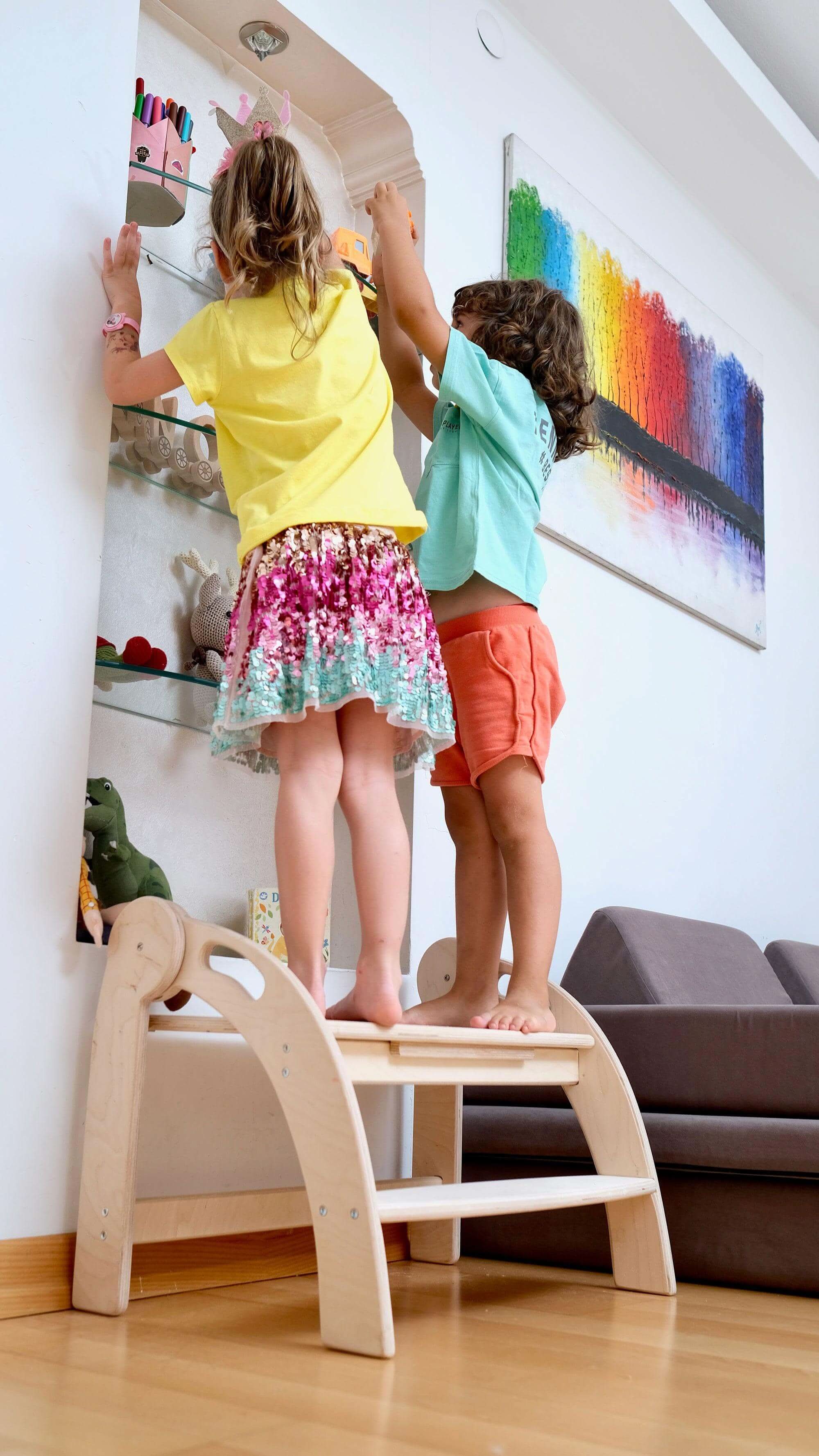
Montessori shelving is more than just storage; it's a tool for independence. Wall-mounted shelves can be a game-changer in organizing educational materials and toys within reach. This setup allows children to choose their activities freely without waiting for adult assistance.
While it’s tempting to fill these shelves with numerous items, too many options can lead to decision fatigue. Instead, curate a selection of materials that reflect your child's interests and developmental stage. For example, rotating the displayed items periodically keeps the environment fresh and engaging while minimizing clutter.
- Use labeled bins on shelves for easy identification of materials.
- Incorporate baskets or trays to categorize different types of educational toys.
Key takeaway: An organized space enhances children's ability to concentrate on chosen tasks.
Incorporating sensory materials in the space
Sensory materials play a vital role in a Montessori learning environment by encouraging exploration through touch and interaction. Incorporating items like textured fabrics or sound-making toys stimulates various senses, which is essential for young learners.
Consider creating a dedicated sensory corner within the learning space. For example, using natural wood furniture like small tables where children can engage with sand or water play supports hands-on learning experiences while keeping mess contained.
Sensory play enhances cognitive development by allowing children to experiment with different textures and sounds.
Common misunderstandings include assuming that sensory materials are just distractions rather than tools for learning. When integrated thoughtfully into the overall design of your home environment, they can support critical thinking skills as children learn through experimentation.
Integrating Outdoor Montessori Spaces
Outdoor spaces are an often overlooked aspect of a Montessori environment, yet they play a critical role in fostering a child's connection with nature and promoting physical activity. Integrating outdoor Montessori furniture and play structures can significantly enhance the learning experience by encouraging children to explore their surroundings.
Using outdoor furniture that encourages interaction with nature
Choosing outdoor furniture designed for children can facilitate hands-on experiences with the natural world. For instance, low benches made from natural wood can serve as gathering spots for group activities while blending seamlessly into the landscape. These pieces not only provide functional seating but also invite children to engage with their environment, whether it's observing insects or enjoying a picnic.
Setting up play structures that promote physical activity
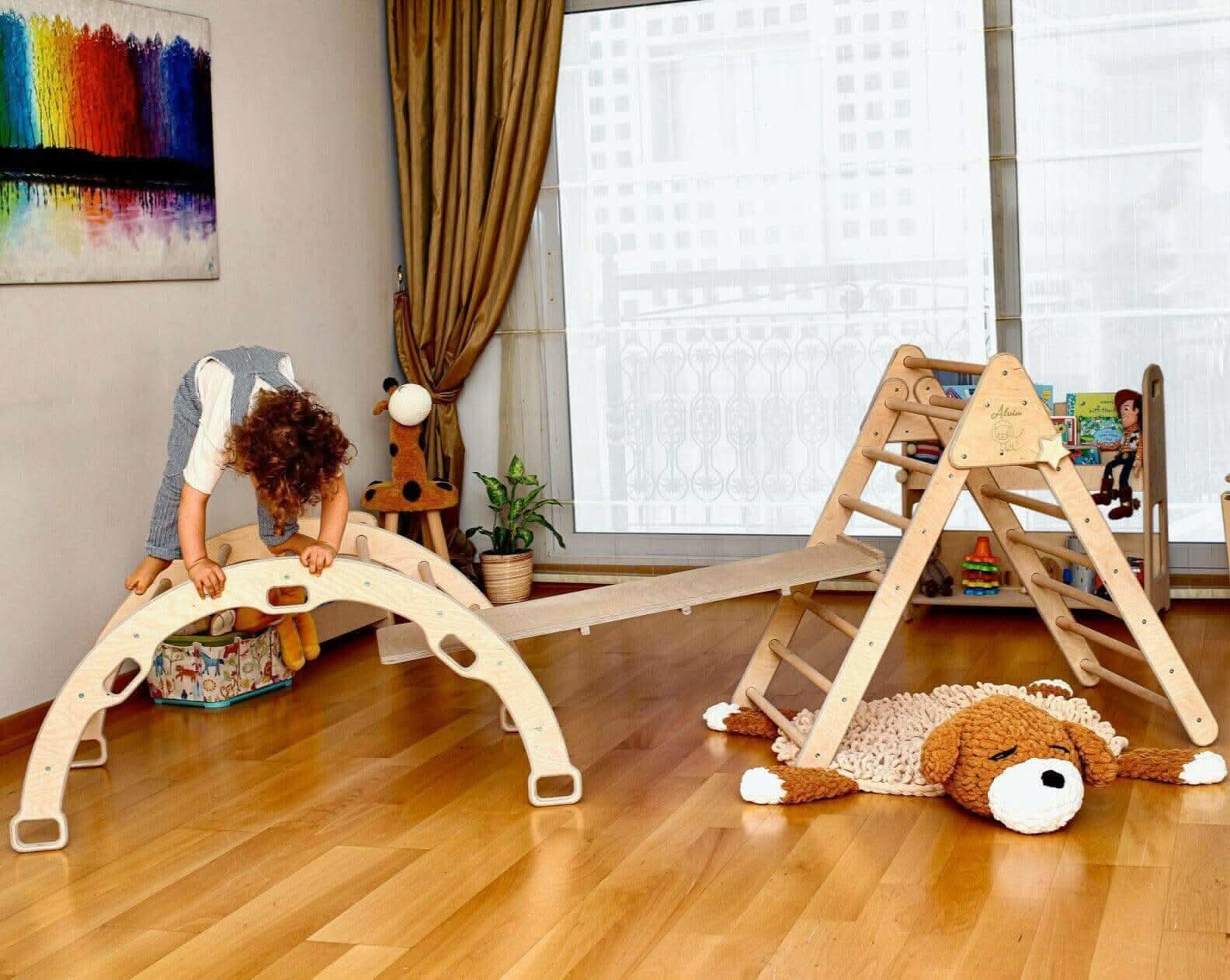
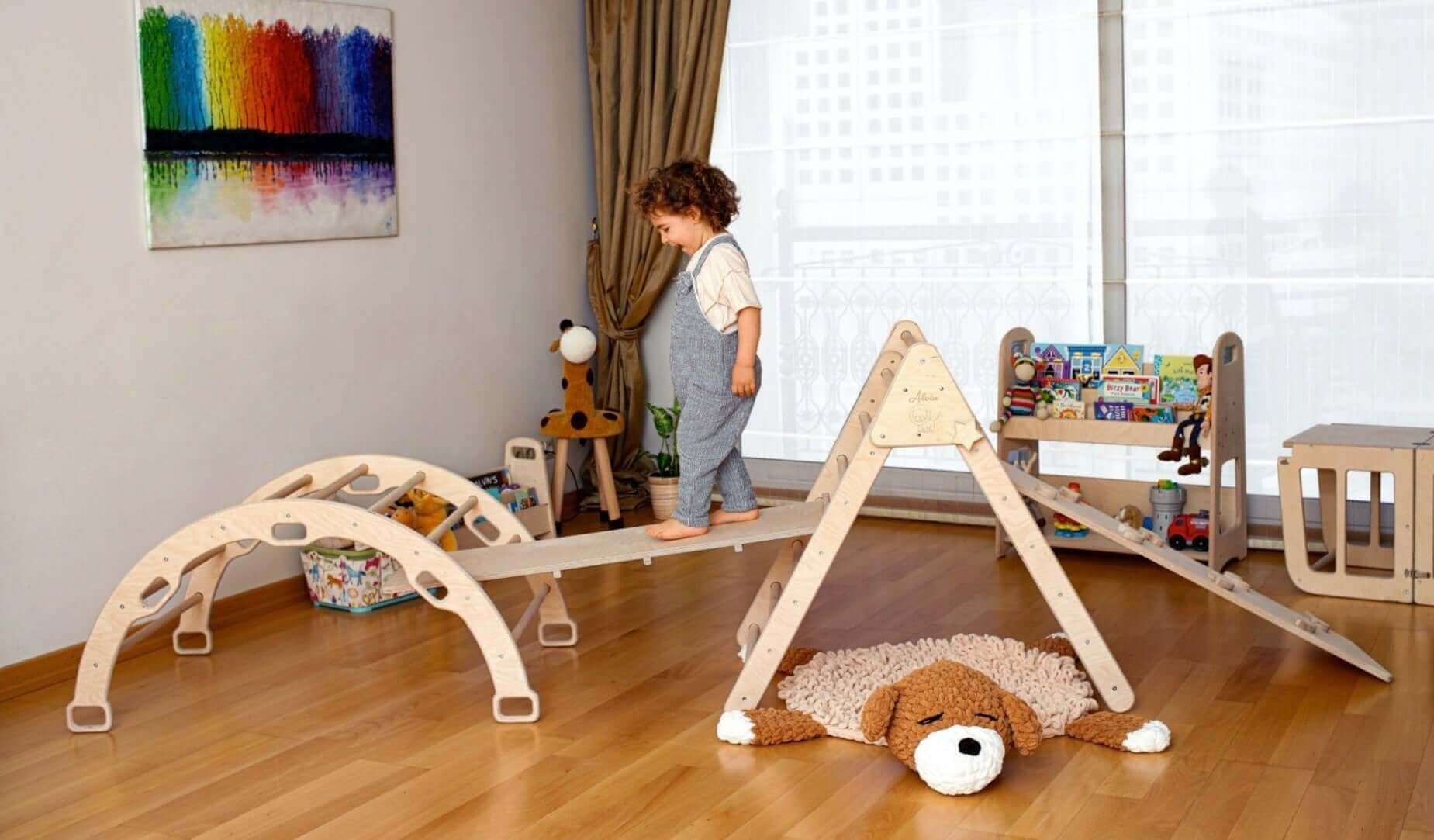
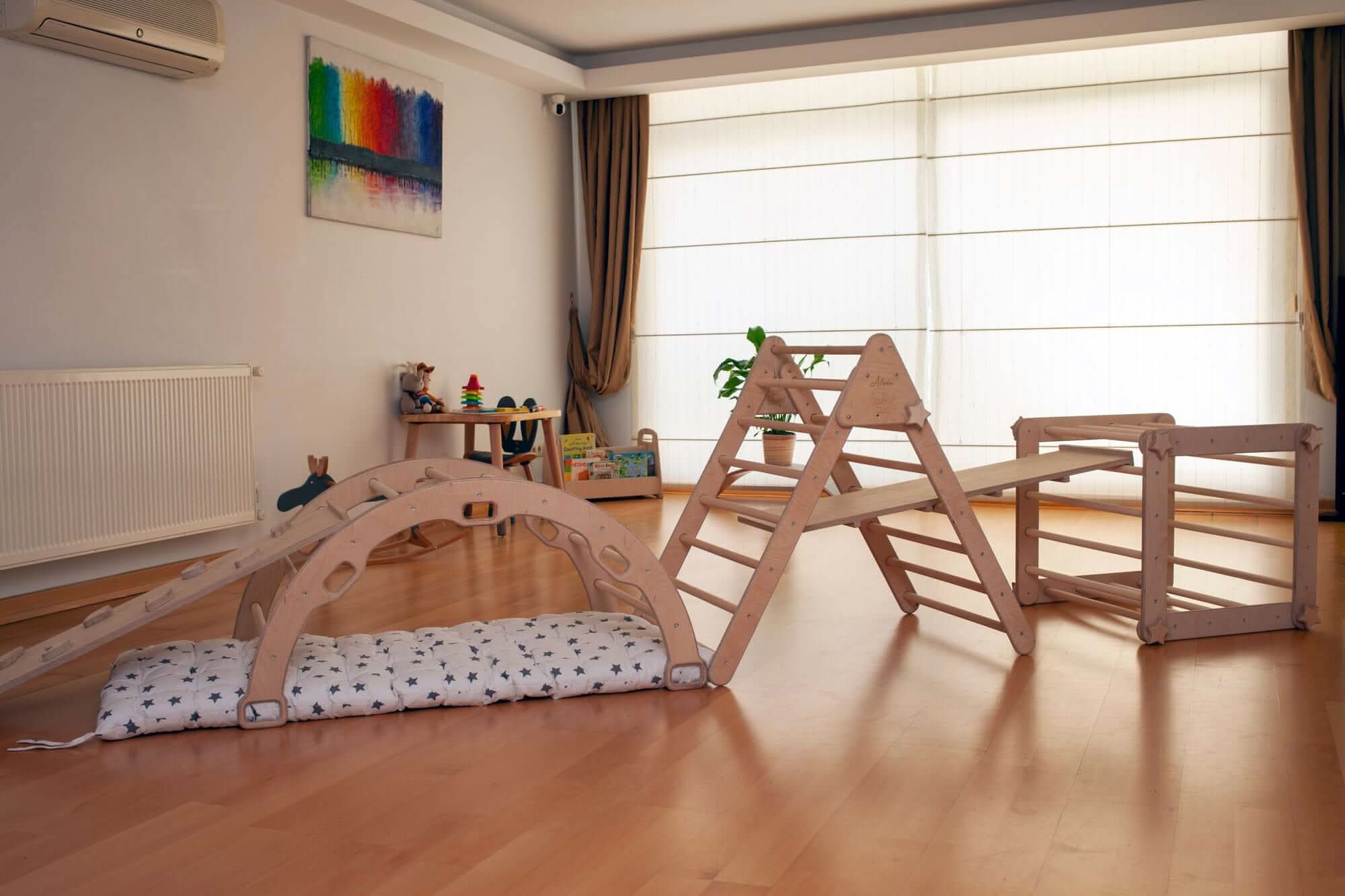
Physical activity is crucial for child development, and incorporating play structures like climbing frames or balance beams can foster gross motor skills. However, it's essential to consider safety and accessibility when selecting these features. For example, a simple wooden climbing structure that allows for varied heights caters to different skill levels, encouraging children to challenge themselves while still feeling secure.
- Ensure structures are age-appropriate to prevent injuries.
- Incorporate elements that require teamwork, such as rope ladders or swings.
Creating garden areas for hands-on learning
Gardening offers children valuable lessons about responsibility and the environment. Designing garden spaces where kids can plant flowers or vegetables promotes hands-on learning and nurtures their connection to nature. Consider using raised beds that are easily accessible so young learners can dig in without needing assistance.
Hands-on gardening activities cultivate patience and observation skills in children.
Research indicates that children who engage in gardening show increased interest in science and biology.
Incorporating these elements into your outdoor setup not only enhances physical activity but also fosters emotional well-being by allowing children to explore freely. Misconceptions often arise around the need for structured learning; however, unstructured outdoor play is equally essential for holistic development.
Maintaining Flexibility in Your Setup
A flexible setup is crucial in a home designed with Montessori principles. As children grow, their needs and interests evolve, and your furniture arrangement should accommodate these changes. This adaptability not only fosters independence but also encourages children to engage with their environment creatively.
Adapting furniture as children grow
Investing in adjustable children's desks and chairs can significantly extend the lifespan of your Montessori furniture. For instance, a desk that can be raised or lowered allows it to remain functional as your child transitions from toddlerhood into adolescence. However, keep in mind that not all adjustable pieces are built equally; some may have mechanical issues over time or lack stability, which can lead to safety concerns.
Rearranging spaces to meet changing needs
The layout of a room should evolve along with your child’s developmental stages. For example, as toddlers become more mobile and curious, you may want to shift storage solutions lower to the ground for easy access—this encourages exploration without the need for adult assistance. Conversely, as children grow older and require more focus for homework or creative projects, creating designated quiet areas becomes essential.
'A well-organized space directly impacts a child's ability to learn and engage.'
Encouraging children to participate in setup decisions
Involving children in decisions about their space fosters a sense of ownership and responsibility. This could be as simple as letting them choose where to place their favorite books or deciding which toys should be easily accessible. However, while this empowerment is beneficial, it’s important to guide them through the selection process; too many choices can lead to overwhelm rather than excitement.
'Children are more likely to respect their environment when they have a say in how it's organized.'
Maintaining flexibility in your home layout not only accommodates growth but also instills valuable life skills such as decision-making and organization. By regularly assessing how spaces work for your child, you can create an environment that evolves alongside them—supporting their independence while fostering an engaging learning atmosphere.
Kidodidos Quality Montessori Furniture Options
Kidodido LLC offers a diverse range of Montessori furniture designed specifically for children's needs. Their products include child-sized tables and chairs, Montessori shelving units, and multi-functional storage solutions that cater to the principles of independence and accessibility. Each piece is crafted with an emphasis on durability and functionality, ensuring that they withstand the rigors of daily use while fostering a positive learning environment.
Overview of specific products offered by Kidodido LLC
Among Kidodido's standout offerings are their adjustable children's desks, which can grow with your child, accommodating various activities from homework to arts and crafts. Their wooden Montessori furniture is particularly noteworthy for its aesthetic appeal and sturdy construction. The open shelving units allow children to easily access educational materials and toys, promoting autonomy in their learning experiences.
- Child-sized tables that encourage collaborative play.
- Montessori shelving designed for easy visibility and access.
- Multi-purpose storage solutions that adapt as children grow.
Highlighting unique features of Kidodido furniture
One unique feature of Kidodido's furniture is its commitment to eco-friendly materials. All pieces are made from sustainable wood sources, which not only minimizes environmental impact but also enhances the natural beauty of each item. This focus on sustainability aligns perfectly with Montessori principles by creating a serene learning environment that feels safe and inviting.
Functional design is another hallmark of Kidodido's offerings. For example, their modular children's furniture can be reconfigured easily as your child's interests change. This adaptability not only saves space but also encourages creative play by allowing different setups for various activities.
Investing in quality Montessori furniture means prioritizing both aesthetics and functionality.
Customer testimonials or case studies showcasing successful setups
'We transformed our playroom with Kidodido's modular shelving,' shares a satisfied customer. Now, our kids can reach their favorite books without help, which has made them more independent. This feedback highlights how effective organization fosters self-sufficiency in children—an essential aspect of the Montessori approach.
Another customer noted the difference after incorporating adjustable desks into their learning space: The desks have grown with my children—what started as a homework station has evolved into a creative hub for art projects. Such versatility showcases how well-thought-out furniture can support evolving needs over time.
Quality Montessori furniture not only supports independence but also enhances the overall aesthetic appeal of your home.