
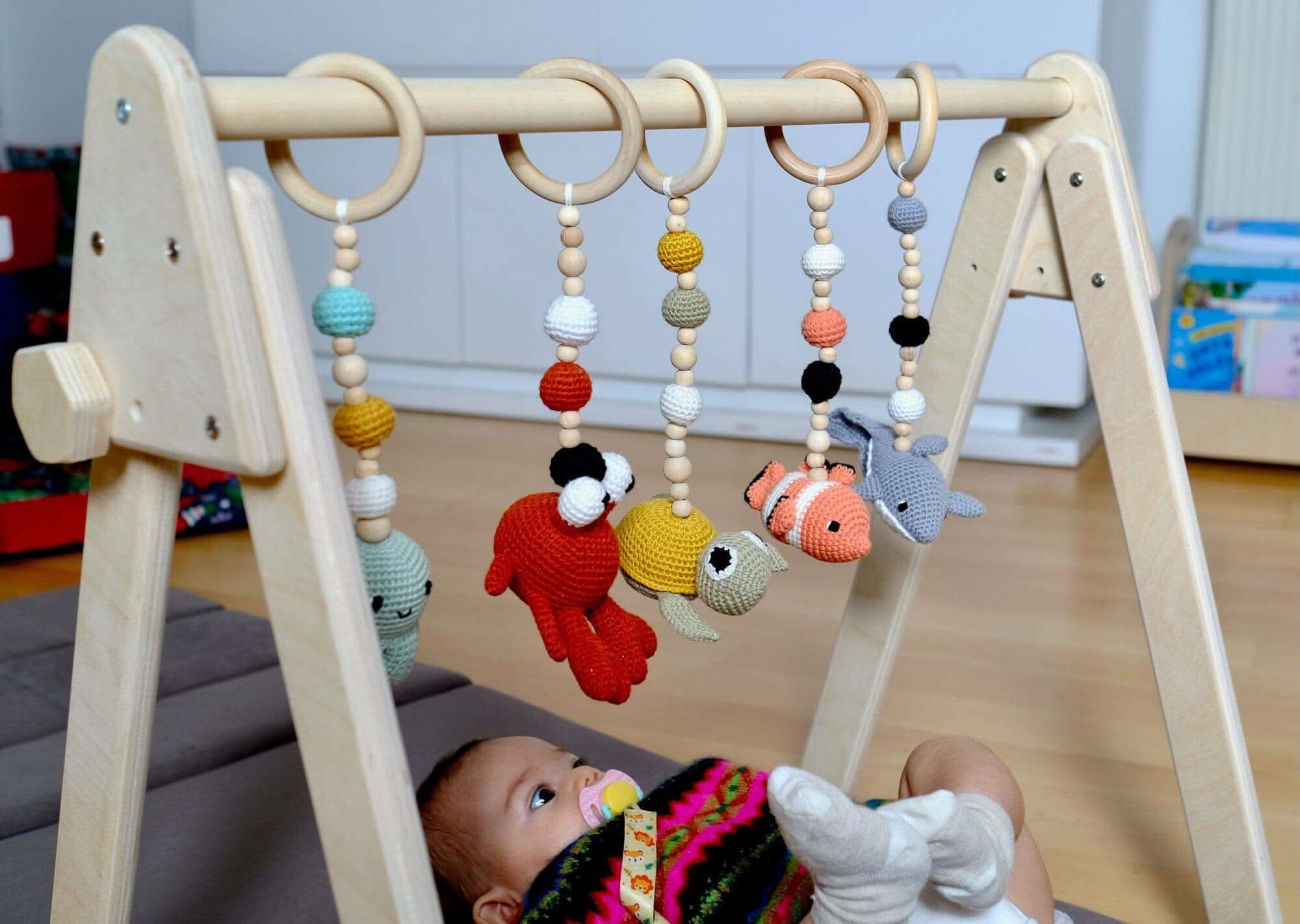
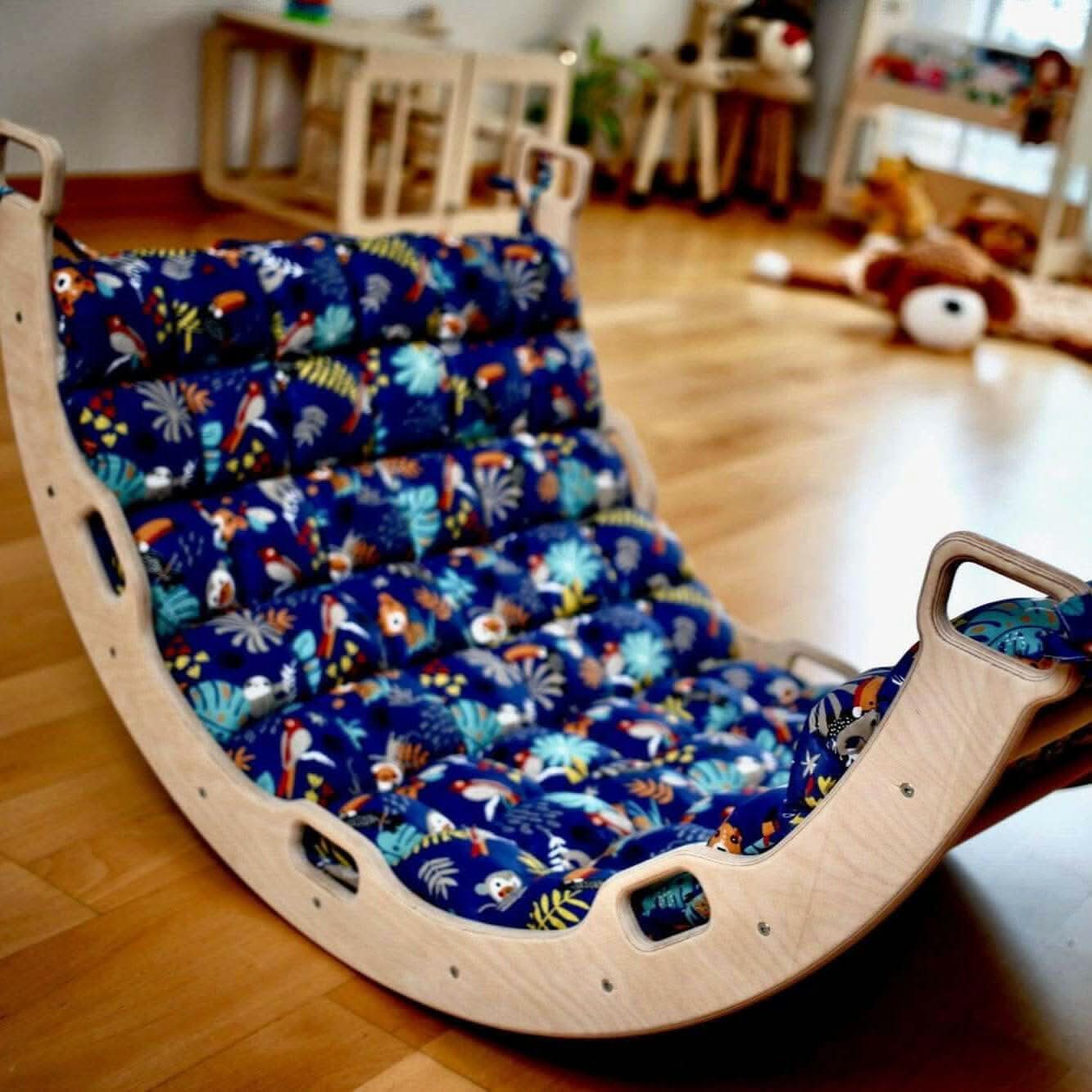
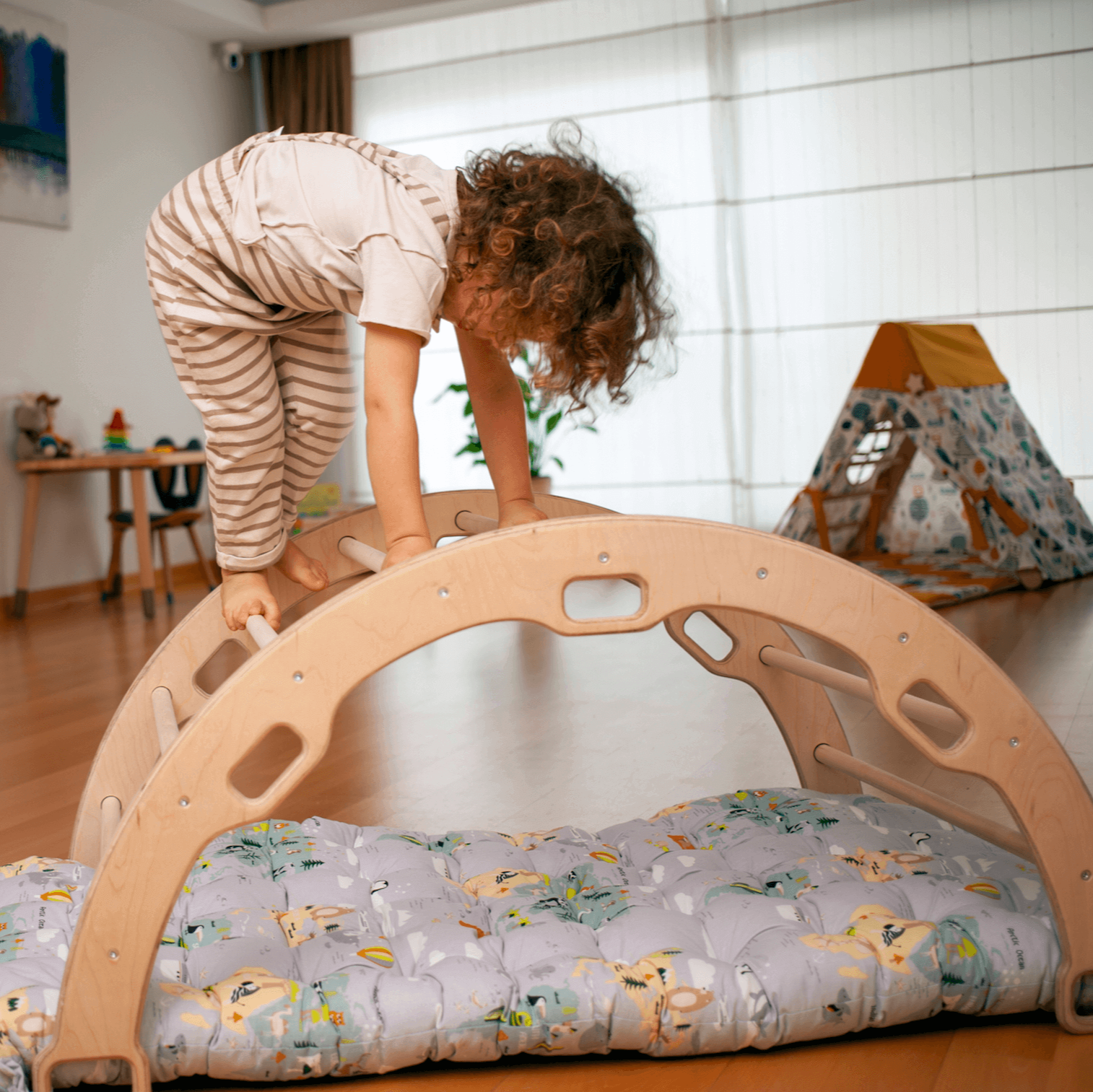
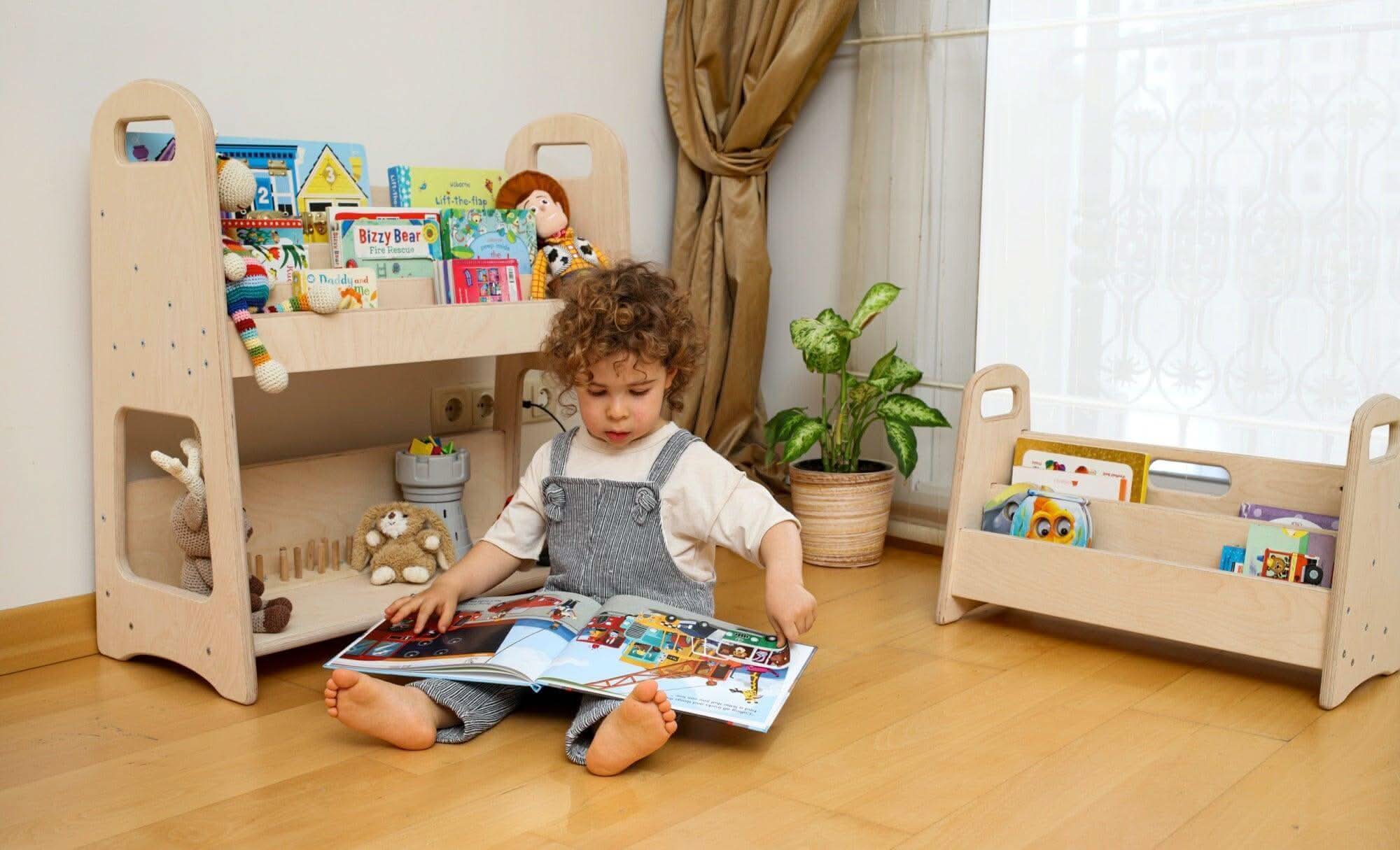


· Von Melih Aner
The Best Balance Toys to Boost Your Toddler's Coordination and Fun
Watching your toddler take their first confident steps, climb a little higher, or balance without support is exciting—and it's an important part of healthy development. The right balance toys don't just keep children entertained; they strengthen gross motor skills, improve coordination, encourage independent play, and help build confidence through movement.
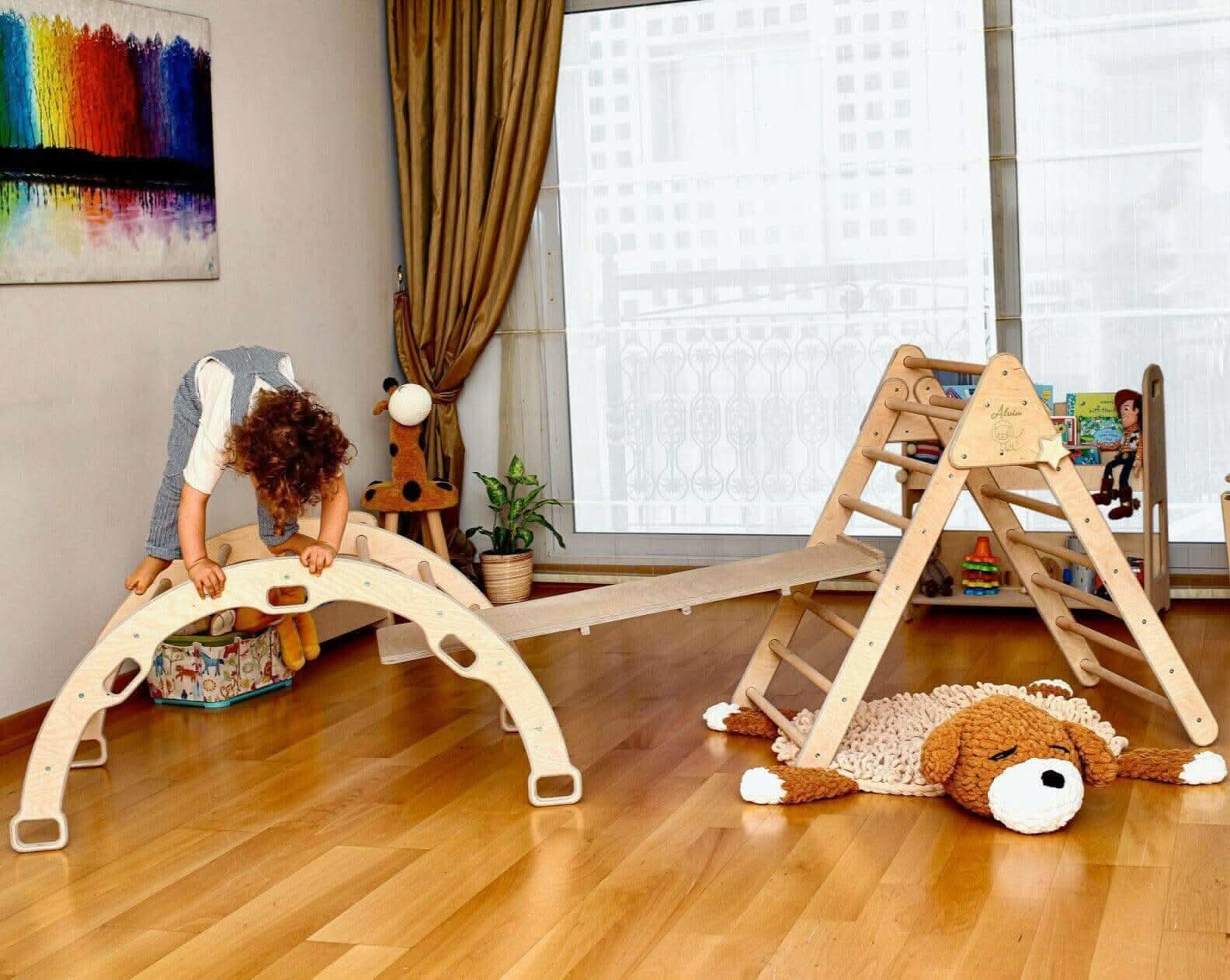
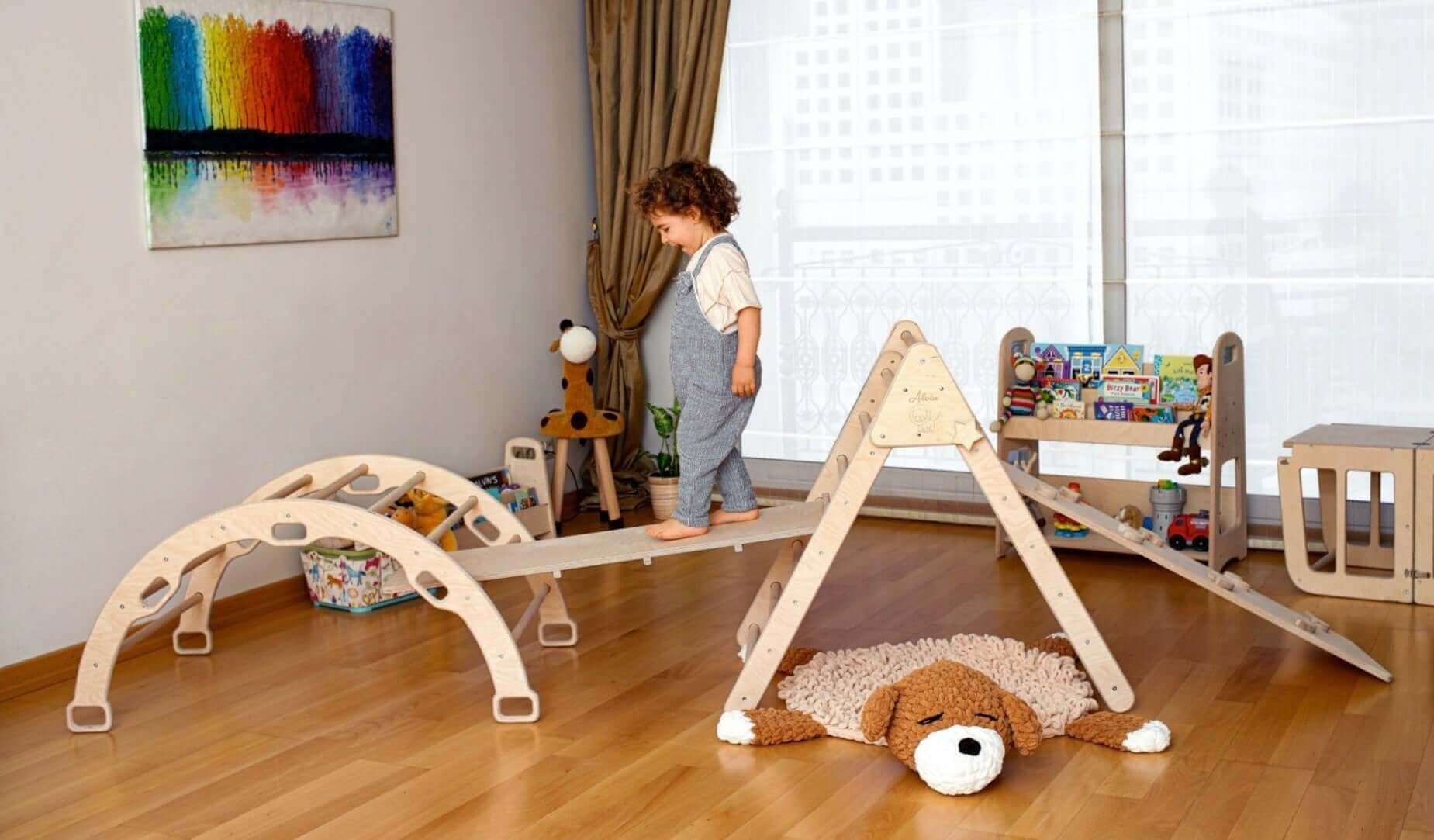
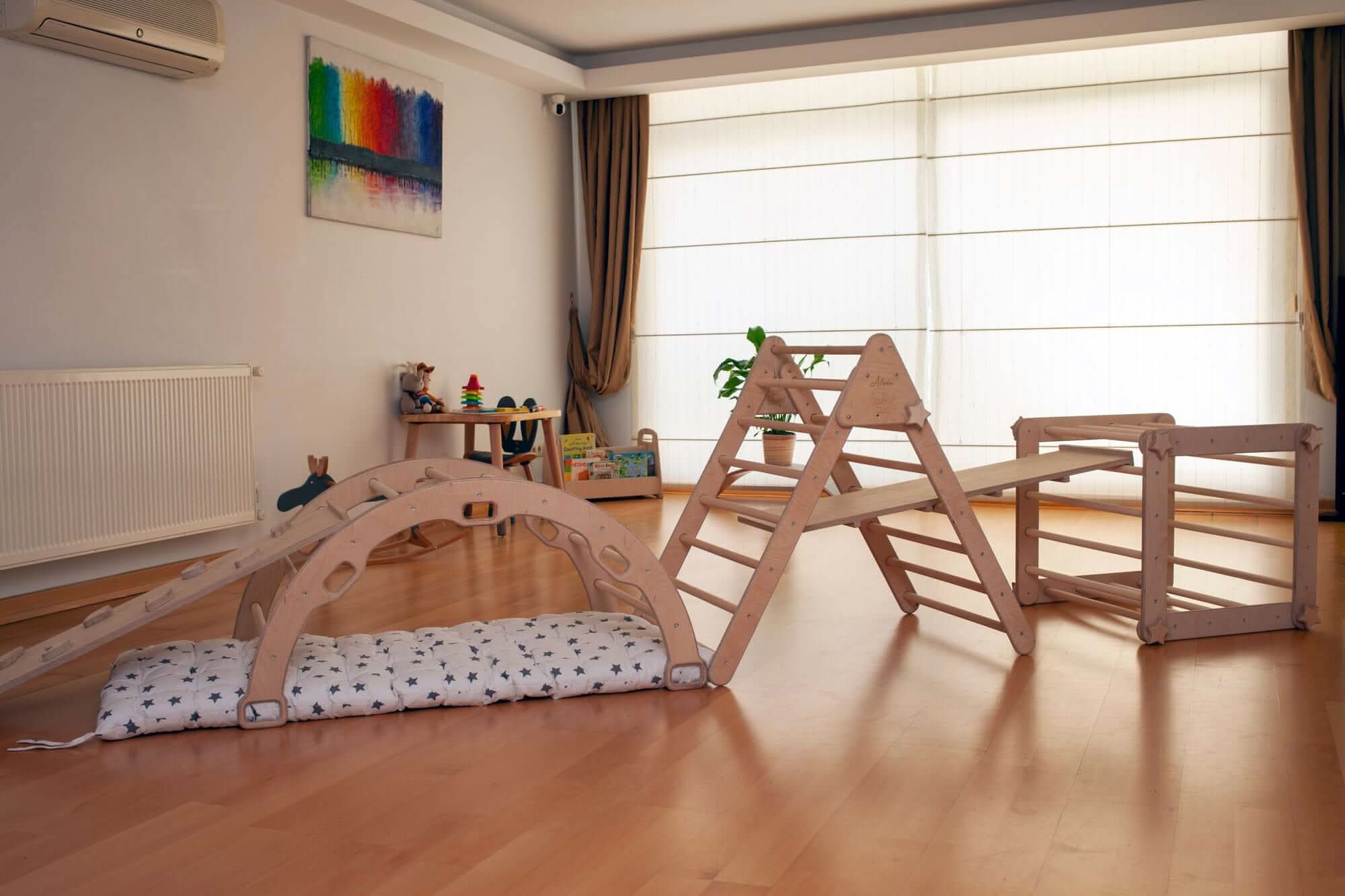
Whether you're creating a Montessori-inspired playroom or simply looking for engaging indoor activities, wooden balance toys provide endless opportunities for learning through play. From Pikler triangles and balance boards to climbing arches and learning towers, these open-ended toys grow with your child and support developmental milestones for years.
In this guide, you'll discover the best balance toys for toddlers, learn how each one supports physical and cognitive development, and find tips for choosing safe, high-quality Montessori toys that fit your family's lifestyle.
Why Balance Toys Are Important for Toddler Development
Balance is one of the most important skills toddlers develop during their early years. Every climb, stretch, step, and wobble helps children improve body awareness, strengthen core muscles, and gain the confidence needed for more complex movements.
Unlike electronic toys that encourage passive entertainment, Montessori balance toys invite children to move freely, solve problems independently, and explore at their own pace. This type of self-directed play supports both physical and cognitive growth while making movement feel fun instead of structured.
Regular active play can help toddlers develop:
- Better balance and coordination
- Stronger core and leg muscles
- Improved gross motor skills
- Spatial awareness
- Confidence when exploring new challenges
- Problem-solving and decision-making abilities
- Independence through self-guided play
Because these toys encourage open-ended exploration, children often discover new ways to play as they grow, making them a valuable long-term investment for families.
Learning Towers: Building Independence Through Everyday Activities
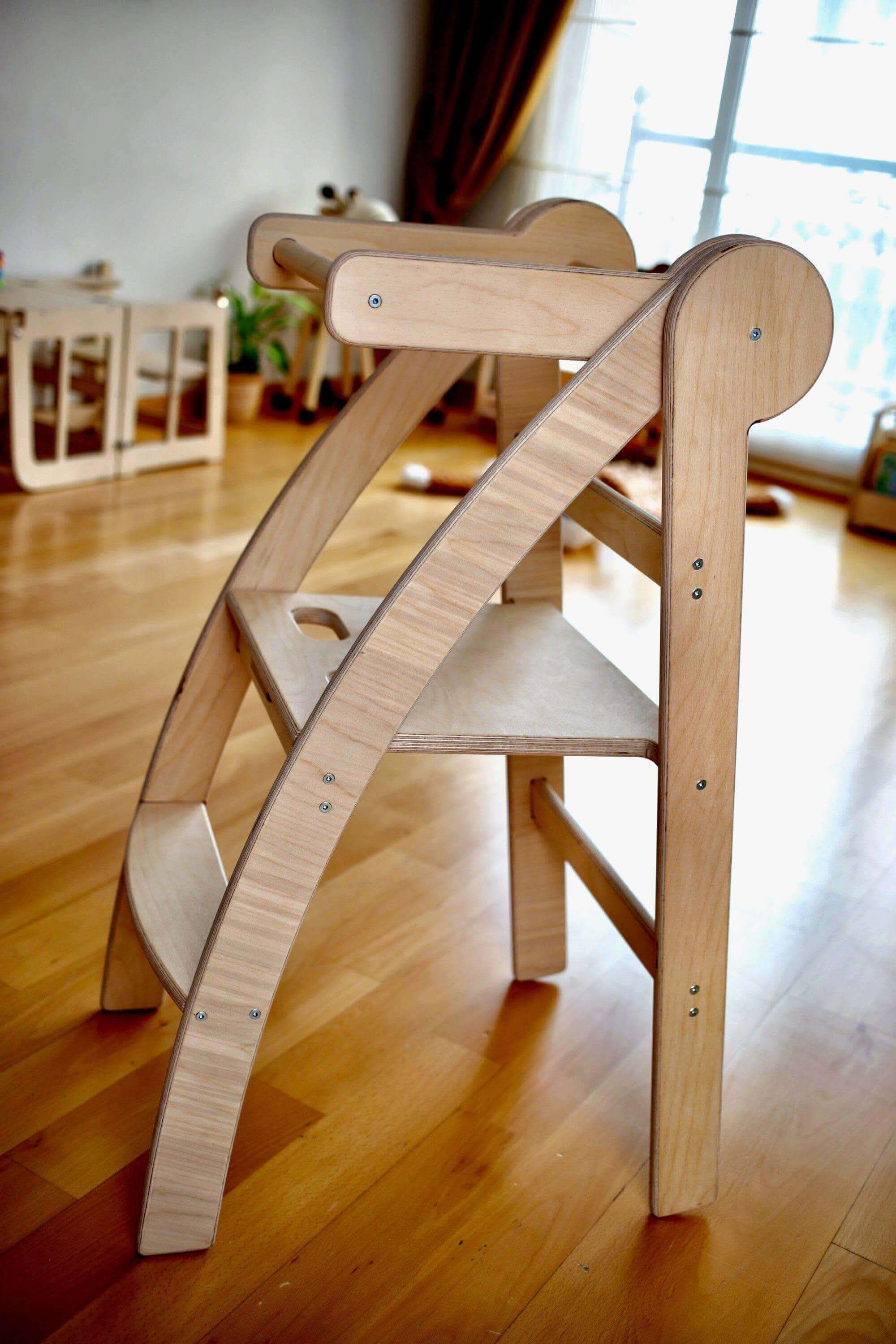
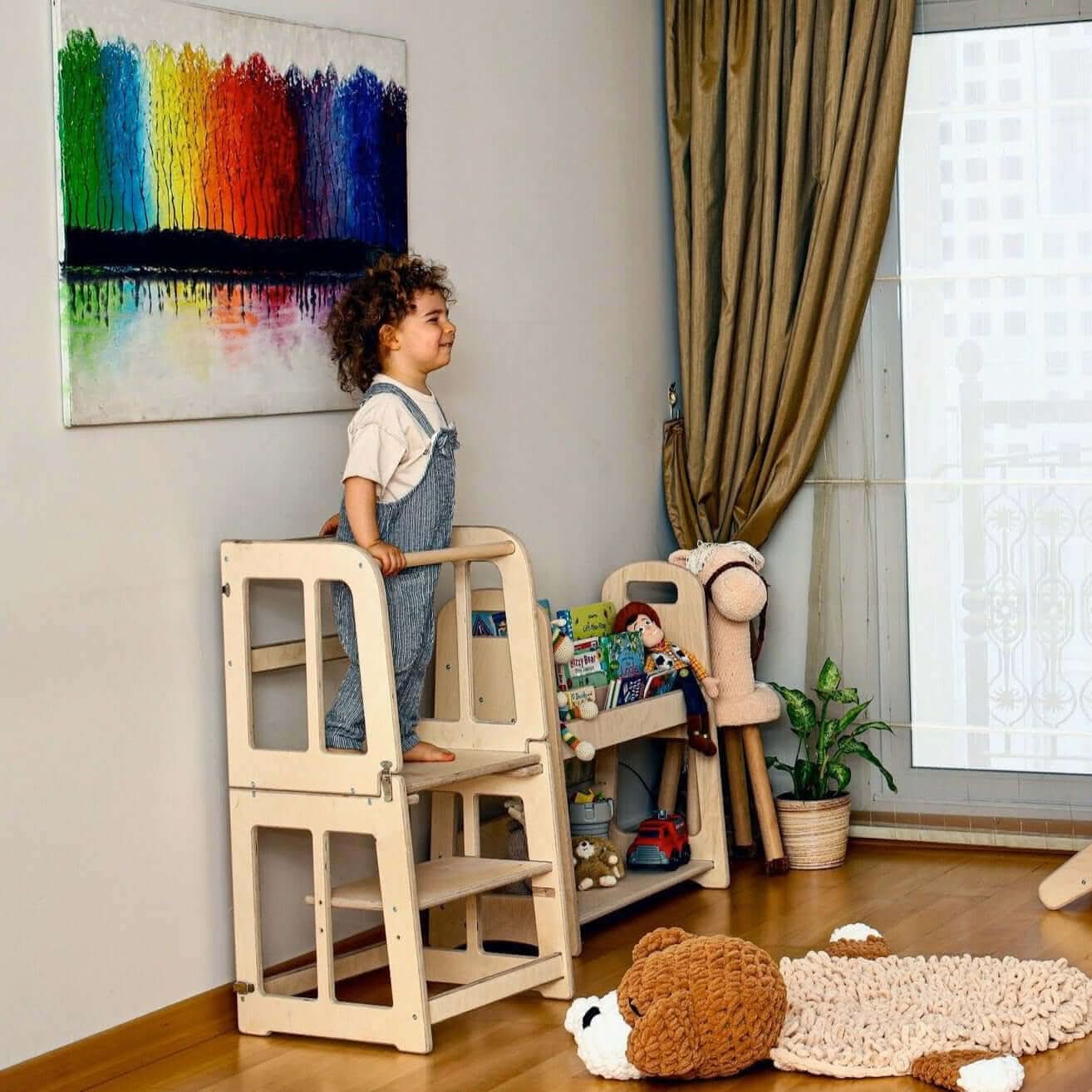
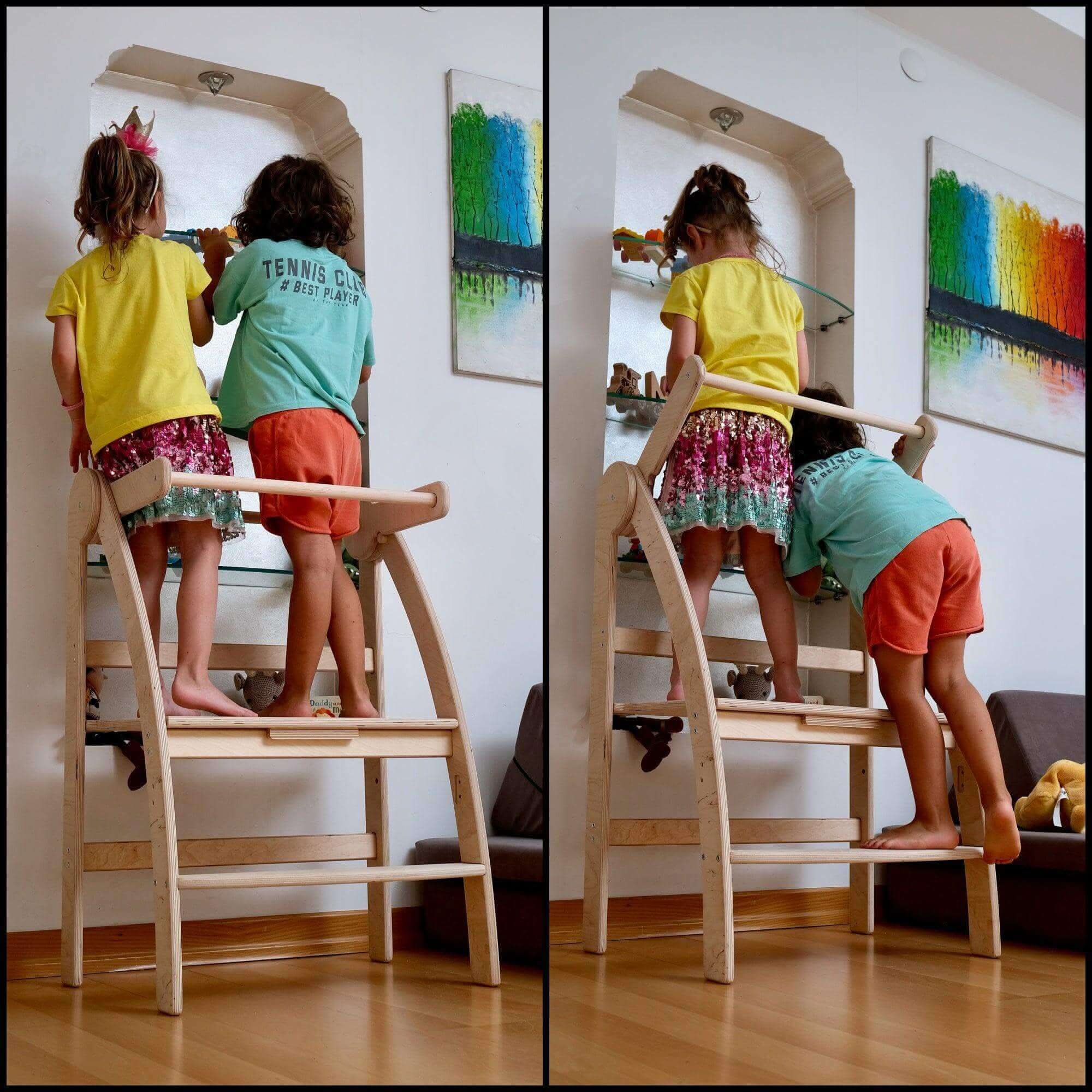
A Montessori learning tower is much more than a step stool. It safely raises toddlers to countertop height, allowing them to participate in everyday family routines while developing balance, coordination, and independence.
Whether helping prepare meals, washing vegetables, mixing ingredients, or brushing their teeth at the bathroom sink, children become active participants instead of passive observers.
Benefits of a Montessori Learning Tower
A well-designed learning tower helps toddlers:
- Improve balance while standing independently
- Strengthen core stability
- Develop fine and gross motor skills
- Practice practical life activities
- Increase confidence through daily participation
- Build responsibility by helping with simple household tasks
Instead of creating separate learning activities, parents can naturally include children in everyday routines, making learning both meaningful and enjoyable.
Practical Ways to Use a Learning Tower
Some of the best activities include:
- Washing fruits and vegetables
- Mixing baking ingredients
- Decorating cookies
- Watering indoor plants
- Brushing teeth independently
- Washing hands
- Preparing healthy snacks
- Cleaning small spills
- Sorting kitchen utensils
These simple experiences help toddlers develop concentration, responsibility, and confidence while strengthening the connection between learning and real life.
Choosing a Safe Learning Tower
When selecting a learning tower, look for features that prioritize both safety and durability:
- Solid wood construction
- Rounded, smooth edges
- Non-toxic, child-safe finishes
- Wide, stable base
- Safety rails on all sides
- Adjustable platform height
- Easy-to-clean surfaces
A sturdy learning tower can become part of your family's daily routine for years, adapting as your child grows and gains independence.
Safety Tips
For the safest experience:
- Always supervise young children.
- Place the tower on a flat, stable surface.
- Keep the surrounding area free of obstacles.
- Teach children to climb in and out carefully.
- Check the tower regularly to ensure all hardware remains secure.