


· Von halit burak capraz
The Complete Guide to Choosing the Right Toddler Tower for Your Child
Are you ready to elevate your child's independence in the kitchen? A toddler tower is not just a trendy piece of furniture; it's a fantastic way to encourage learning and participation in daily activities. In this complete guide, we'll explore everything you need to know about choosing the right toddler tower for your little one, from essential features and safety tips to how these multifunctional tools can seamlessly integrate into your family's routine. Let's dive in and find the perfect learning tower that suits both your space and your child's needs!
Understanding Toddler Towers
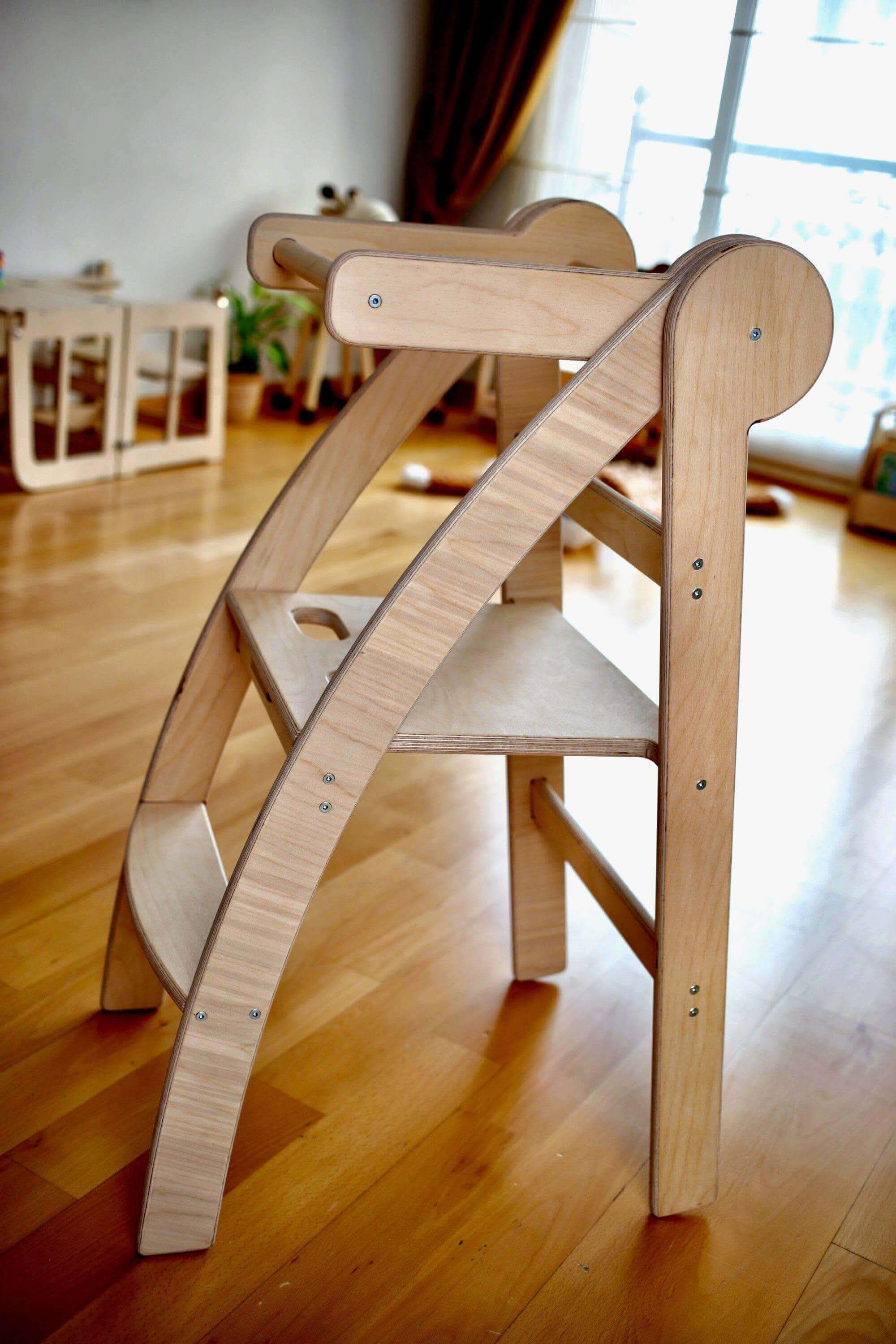
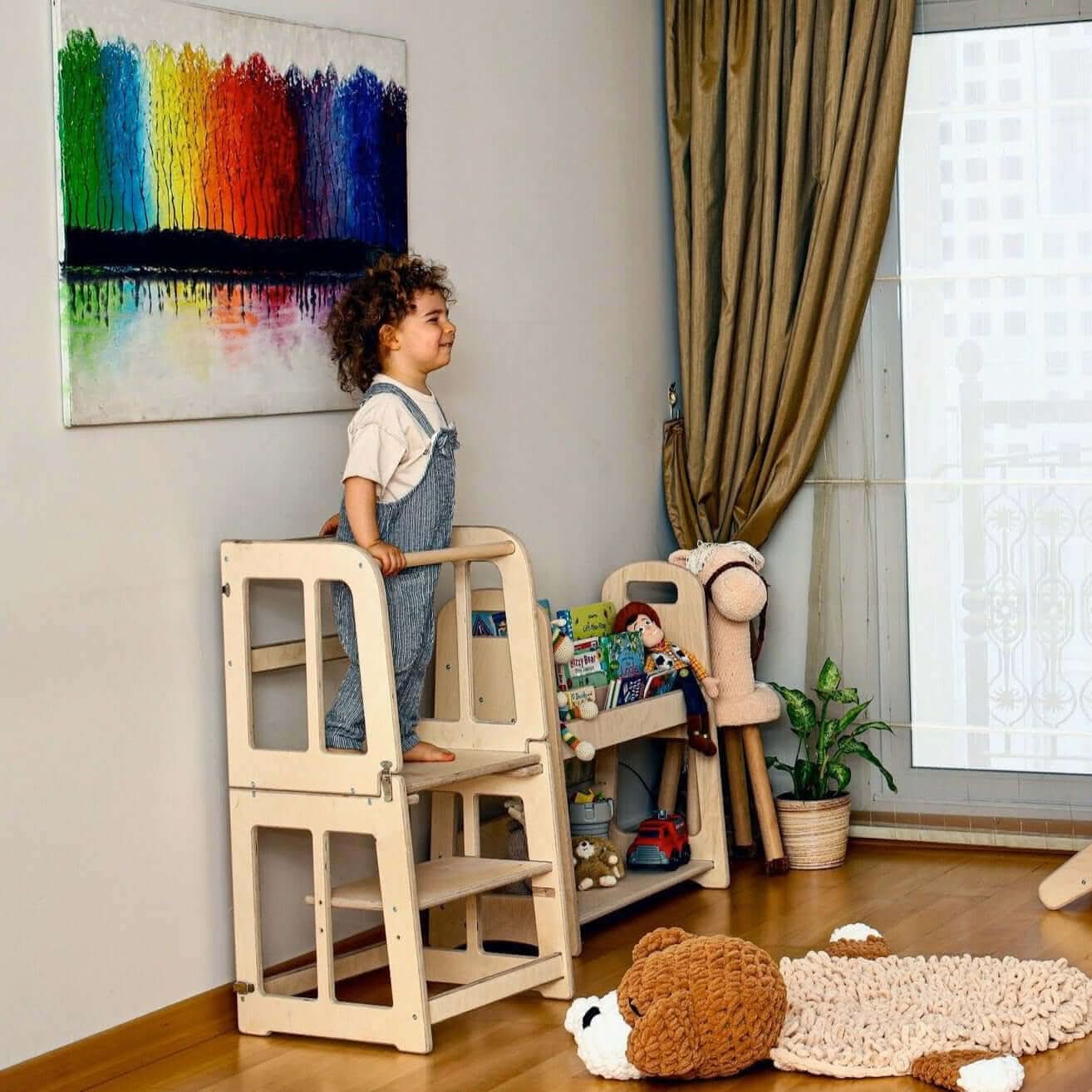
A toddler tower, often referred to as a learning tower or kitchen helper stool, is designed to elevate young children to counter height safely. This allows them to engage in kitchen activities alongside adults, fostering a sense of inclusion and independence. Unlike traditional step stools, toddler towers have a stable base and safety features that support active participation.
One of the primary benefits of a toddler tower is its ability to promote autonomy in children. It empowers them to explore their environment, whether it’s helping with meal preparation or participating in arts and crafts. However, it's essential to recognize that while these towers enhance independence, they also require adult supervision. Misuse can lead to accidents if children are allowed unsupervised access.
Supporting Independence and Learning
Toddler towers serve as an excellent tool for teaching practical life skills through hands-on experiences. For instance, when a child assists in washing vegetables or mixing ingredients, they're not just learning about food but also developing fine motor skills and coordination. This kind of engagement is crucial for cognitive development and self-confidence.
A practical example is using the tower during family cooking nights. When parents involve their toddlers in meal prep by having them stand at the counter safely, it not only keeps the child engaged but also encourages healthy eating habits as they see how meals are prepared. This real-world application reinforces learning through experience.
Using a toddler tower can significantly enhance your child's engagement with daily tasks, making learning both fun and practical.
It's important to consider that not all toddler towers are created equal. While many brands offer adjustable height features for growing children, some designs may lack stability or safety elements like guardrails. Parents should look for sturdy construction materials that can withstand active use over time. A well-designed tower will balance functionality with safety, ensuring it remains a valuable tool in your home.
A survey found that 85% of parents reported increased engagement from their child when using a toddler tower.
Key Features to Look For
When selecting a toddler tower, prioritize features that enhance usability and safety. Height adjustability is crucial, as it allows the tower to grow with your child, accommodating their changing needs over time. A well-designed adjustable toddler tower can be modified easily to ensure your little one can reach the counter without compromising stability.
Sturdy construction materials are non-negotiable. Many parents overlook this aspect, focusing instead on aesthetics or price. However, towers made from high-quality wood or robust composites provide better durability and support for active toddlers. A solid build will resist tipping during use, which is essential for safety.
Safety Features Like Non-Slip Surfaces and Guardrails
Safety features should be at the forefront of your decision-making process. Look for non-slip surfaces on both the steps and standing platform to prevent slips during use. Additionally, guardrails are vital; they provide an extra layer of security for toddlers who may lean or shift unexpectedly while reaching for items on the counter.
Consider a practical scenario: a toddler using an adjustable wooden learning tower with adequate guardrails while helping to prepare dinner. The child can safely stand at counter height, access ingredients, and participate in meal preparation without the risk of falling or losing balance.
- Height adjustability for longevity
- Non-slip surfaces for safety
- Sturdy materials to prevent tipping
- Guardrails to secure standing area
A well-constructed toddler tower can support weights up to 200 pounds, making them suitable for multiple children or even adult supervision during activities.
Eco-friendly options are also worth considering; many manufacturers now offer non-toxic finishes and sustainably sourced materials that align with health-conscious parenting choices.
Types of Toddler Towers
When considering a toddler tower, it's essential to understand the various types available. Each design caters to different needs and preferences, influencing how effectively they can be integrated into daily routines.
Classic Wooden Toddler Towers
Classic wooden toddler towers are often the most favored choice among parents. Their sturdy construction and timeless aesthetic make them a reliable option for long-term use. These towers typically feature an adjustable height mechanism that allows them to grow with your child, ensuring continued usability as they develop.
However, the trade-off with wooden designs is weight. While they offer excellent stability, they can be cumbersome to move around. For families who frequently rearrange their kitchen or dining areas, this might pose a challenge.
Foldable or Collapsible Options
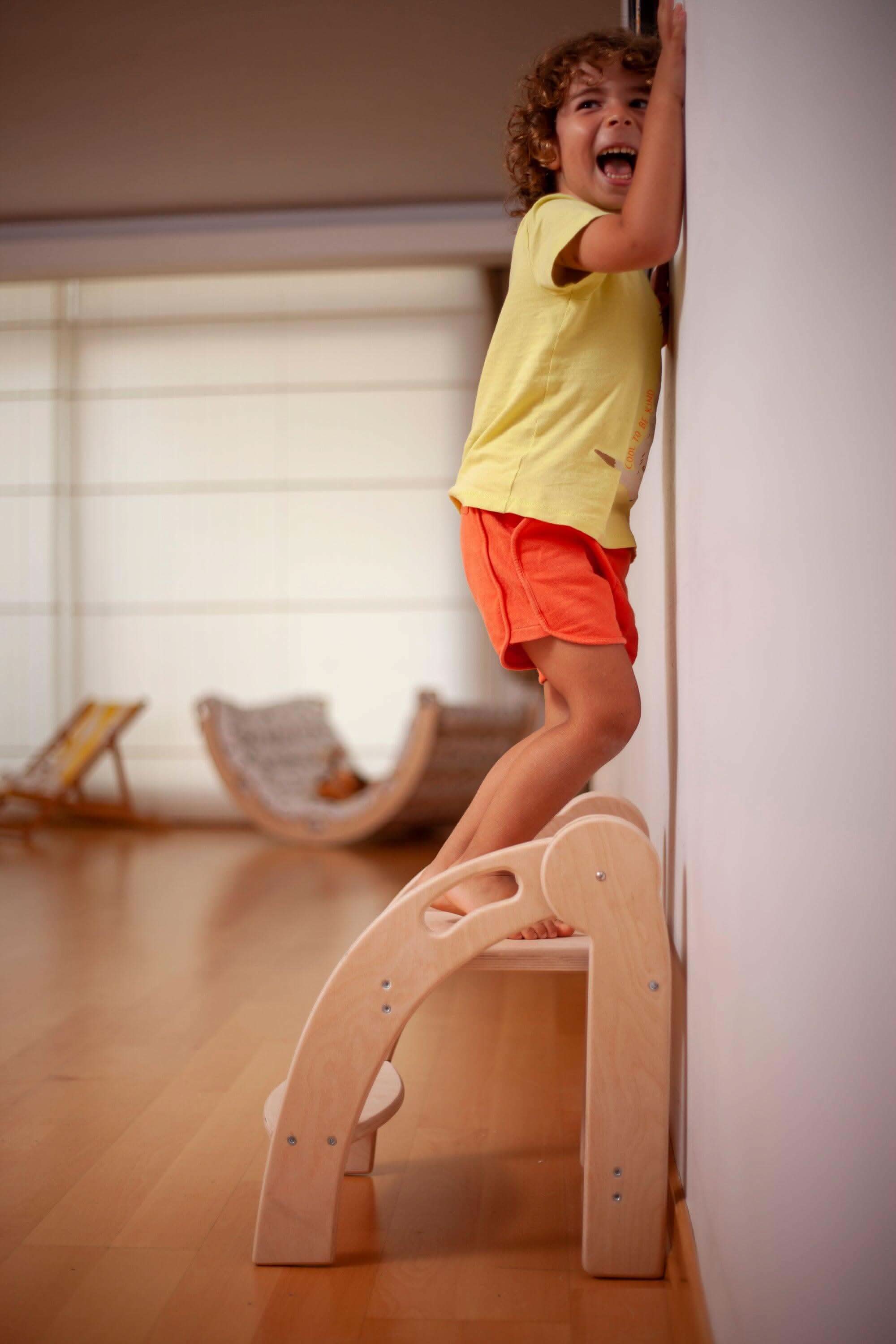
Foldable or collapsible toddler towers provide a space-saving solution that many families appreciate. These designs allow for easy storage when not in use, making them ideal for smaller living spaces or those who prefer minimal clutter.
One practical consideration is that while collapsible designs are convenient, they may sacrifice some durability and stability compared to their classic counterparts. Parents should ensure that any folding mechanism is robust enough to support active toddlers safely.
Multi-Functional Designs That Serve as Learning Tools
Multi-functional toddler towers serve not only as kitchen helpers but also as versatile learning tools. Some models incorporate features like art easels or play tables that can engage children in various activities beyond cooking.
For example, a tower designed with an integrated art station allows children to transition from helping in the kitchen to engaging in creative play seamlessly. This versatility can justify the investment by maximizing usage across different activities.
Choosing a multi-functional design can enhance your child's learning experience by combining play with practical skills.
Consider how often you will use the tower for various activities; this can influence whether you prioritize stability over portability.
Safety Considerations
The stability of a toddler tower is paramount. Many parents underestimate the importance of a solid base and proper weight distribution, which are crucial for preventing tipping. A well-designed tower should distribute weight evenly, ensuring that it can support your child’s movements without compromising safety.
Stability and Weight Limits
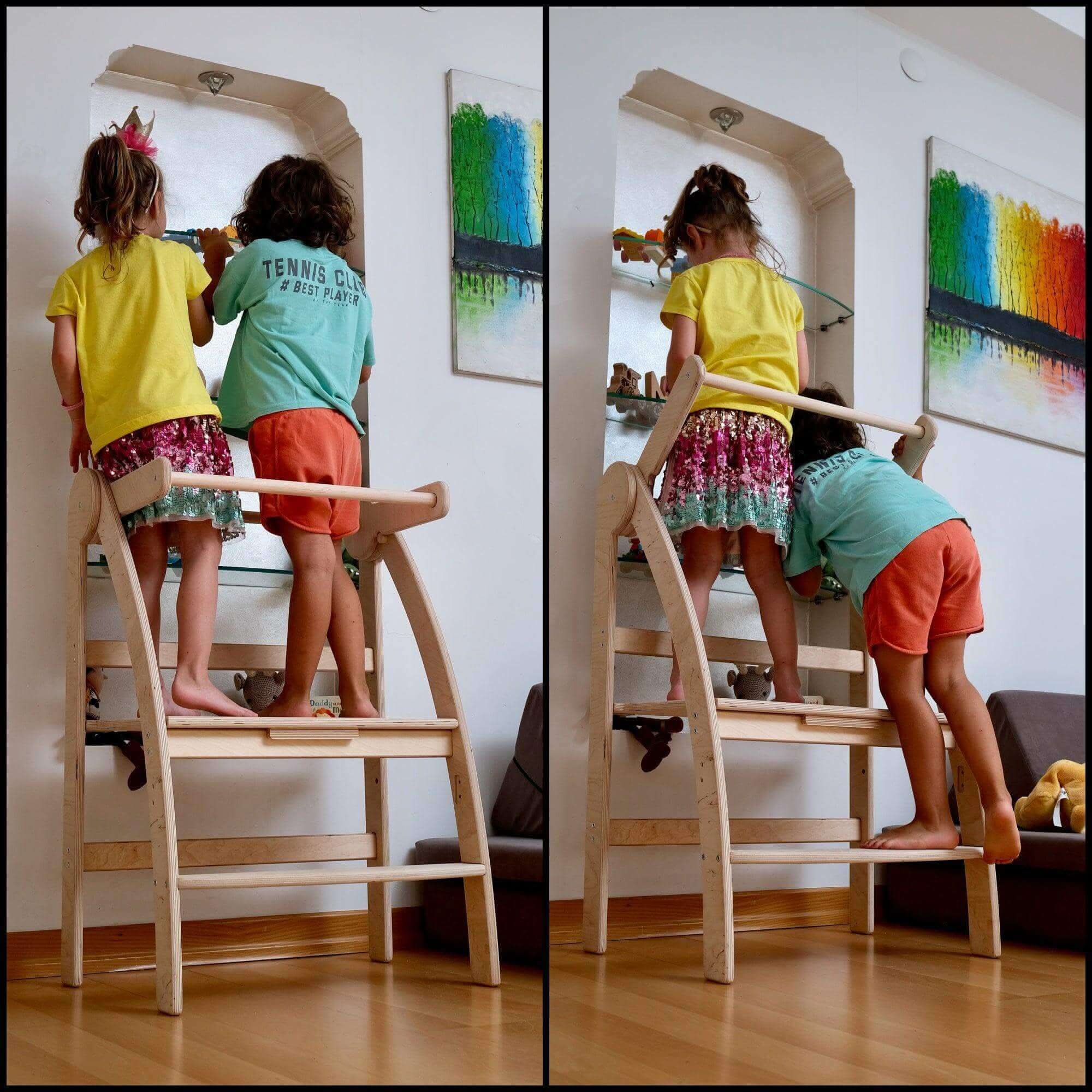
When considering a toddler tower, check the manufacturer's weight limits. Most high-quality towers can safely hold around 200 pounds, but there are exceptions. For instance, if multiple children will use the tower simultaneously or if an adult will occasionally supervise from it, ensure that the model you choose can handle that load without risk.
A practical example is using a sturdy wooden learning tower during family cooking nights. When a child climbs onto a well-constructed tower with appropriate weight limits, they can safely participate in meal preparation without fear of tipping over.
It's also essential to consider how your child interacts with the tower. Younger toddlers may have less coordination and balance than older children. This difference means that even if a tower meets safety standards, active supervision is necessary to mitigate risks associated with their movements.
Age Recommendations and Supervision Guidelines
Age recommendations for toddler towers typically range from ages 18 months to around five years. However, these guidelines are not one-size-fits-all; individual development varies significantly among children. Some parents mistakenly believe their child can use a toddler tower as soon as they can stand independently, but this assumption can lead to accidents.
Supervision is not just encouraged; it's essential when using these towers. Active engagement while your child is on the tower not only enhances their learning experience but also allows you to intervene quickly if they attempt something unsafe.
Always supervise your child when they are using the toddler tower.
Research indicates that over 50% of toddler injuries occur in kitchen environments; using a sturdy toddler tower under supervision can significantly reduce this risk.
Certifications to Look For in Toddler Towers
Many parents overlook this aspect in favor of aesthetics or price but prioritizing certified options ensures that you’re investing in a product designed with safety as its top priority.
- - Look for products labeled with ASTM or CPSC certifications.
- - Check customer reviews for feedback regarding stability and safety.
Ultimately, investing time into understanding these aspects not only protects your child but also enhances their developmental experiences through safe participation in daily activities.
Integrating a Toddler Tower into Daily Life
A toddler tower can transform daily routines into opportunities for learning and engagement. By integrating the tower into various activities, you not only make tasks more enjoyable for your child but also encourage independence and practical skill development.
Using the Tower in the Kitchen for Cooking Activities
Incorporating a toddler tower into kitchen activities can significantly enhance your child's interest in cooking. For example, when children stand at counter height, they can help with simple tasks like washing vegetables or stirring ingredients. This involvement not only makes them feel included but also teaches them about food preparation and nutrition.
However, it's crucial to set clear boundaries. While toddlers are naturally curious, they may not yet understand kitchen safety. Always supervise their activities closely to prevent accidents involving hot surfaces or sharp utensils.
Encouraging Playtime and Creativity
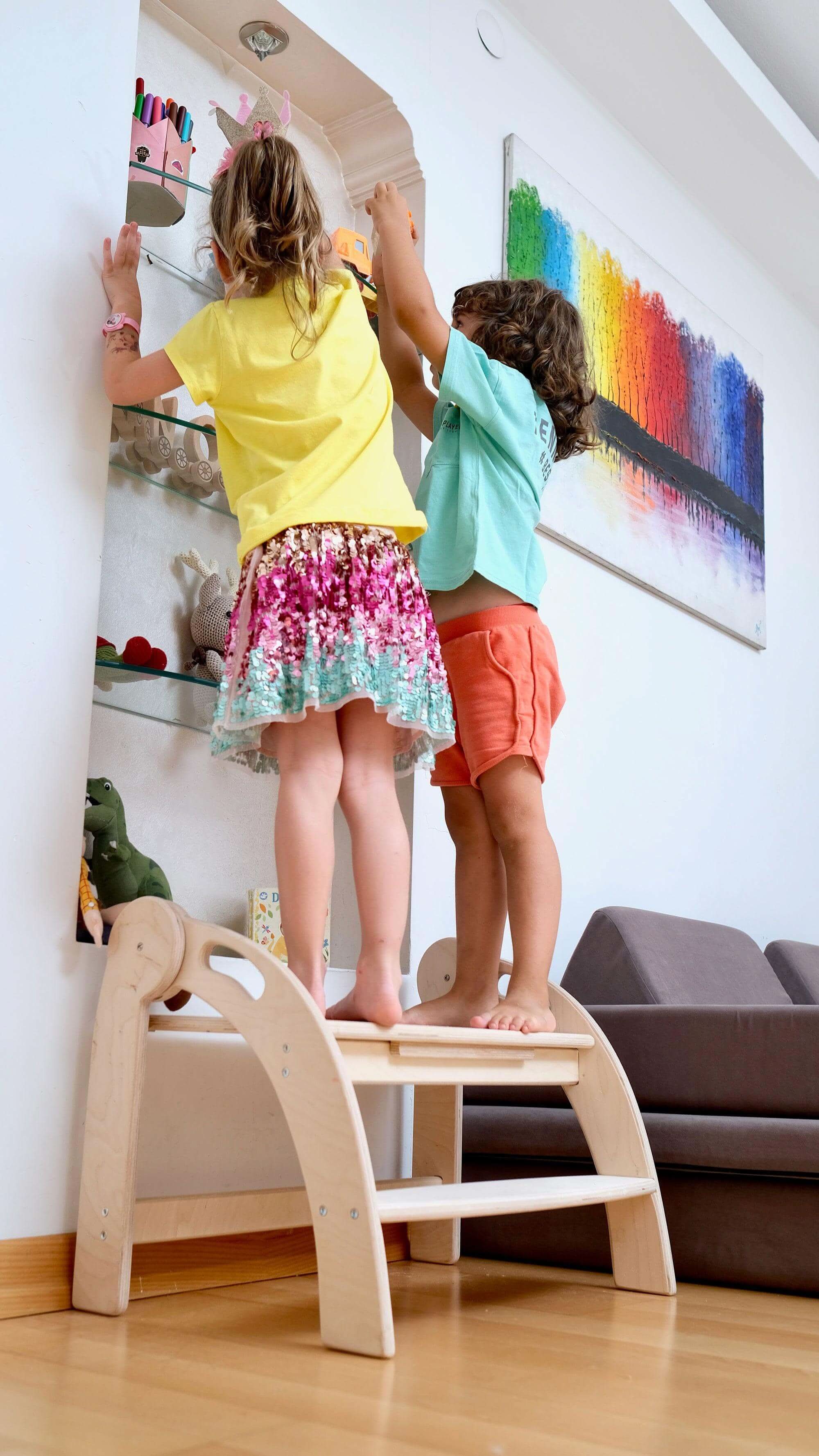
A toddler tower isn't limited to kitchen use; it can be a versatile tool for playtime as well. For instance, you could place it next to an art station where your child can access supplies like paints or markers safely. This setup allows them to engage in creative projects while developing fine motor skills and self-expression.
The trade-off here is that some children might become overly reliant on the tower for accessing all their play materials. It's beneficial to encourage them to explore other areas of the house independently as well, fostering a well-rounded sense of autonomy.
Incorporating It into Routine Tasks Like Handwashing or Art Projects
Routine tasks might sound mundane, but they are essential for teaching responsibility and hygiene. Positioning the toddler tower near a sink allows your child to participate in handwashing before meals or after messy playtime. This practice not only instills good habits but also makes them feel empowered as they contribute to household routines.
A practical insight is to incorporate fun elements like songs or games during these tasks. For example, singing a handwashing song can make the experience enjoyable and memorable for your child.
Using a toddler tower across various activities reinforces learning through experience while keeping children engaged.
Top Toddler Tower Recommendations
Choosing the right toddler tower can feel overwhelming given the variety of options available, but some models stand out for their quality and practicality. The Kidodido Learning Tower, for instance, is crafted from durable, eco-friendly wood and features an adjustable height mechanism that grows with your child. Its thoughtful design includes safety rails and a non-slip surface, ensuring that even the most active toddlers can explore safely.
Kidodido Learning Tower: Features and benefits
The Kidodido Learning Tower is not just about safety; it also encourages independence. One of its standout features is the height adjustability, which allows it to accommodate toddlers from around 18 months to age five. This means that parents won't need to purchase multiple towers as their child grows. Additionally, the tower's design promotes active participation in kitchen activities, fostering both learning and bonding time during meal prep.
However, one limitation of the Kidodido tower is its weight. While its sturdy construction provides excellent stability, it can be cumbersome to move around the kitchen. Families who frequently rearrange their space might find this aspect inconvenient. It's essential to weigh this trade-off against the safety benefits it offers.
Consider a scenario where a child uses the Kidodido Learning Tower to help bake cookies with their parent. The child stands securely at counter height, measuring ingredients and mixing batter while developing motor skills and understanding measurements. This interaction not only makes the child feel involved but also reinforces essential skills in a practical context.
Other popular brands: Montessori tower options from companies like Little Partners and Guidecraft
In addition to Kidodido, brands like Little Partners and Guidecraft offer excellent Montessori-style toddler towers that cater to various needs. Little Partners' Original Learning Tower is known for its solid construction and adjustable heights but comes at a higher price point. On the other hand, Guidecraft's Kitchen Helper offers a more budget-friendly option while still maintaining essential safety features like guardrails.
'One trade-off with these brands is that while they may offer more aesthetically pleasing designs or additional features like integrated storage or play areas, they might lack some of the stability found in heavier models like Kidodido's.' This distinction is crucial; parents should consider how much they value aesthetics versus functionality.
'Investing in a sturdy toddler tower enhances your child's safe access to learning opportunities in daily life.'
Research indicates children who actively participate in cooking report higher interest levels in food-related activities and healthy eating habits.