


· By SEO Webmaster
Why Modern Parents Are Choosing an Indoor Play Tent For Their Children
In today's world, where everything revolves around speed and technology, parents are always searching for imaginative ways to let their kids express their feelings through play and indoor activities. An Indoor Children's Play Tent has surfaced as among the top choices of kids' gear since it provides a spot that is both fun and private for kids. This tent is not just a plaything; it is a place where children's learning, imagining, and emotional development occur almost instantly and in a very natural way.
Indoor Children’s Play Tent: The Ultimate Catalyst for Open-Ended Play
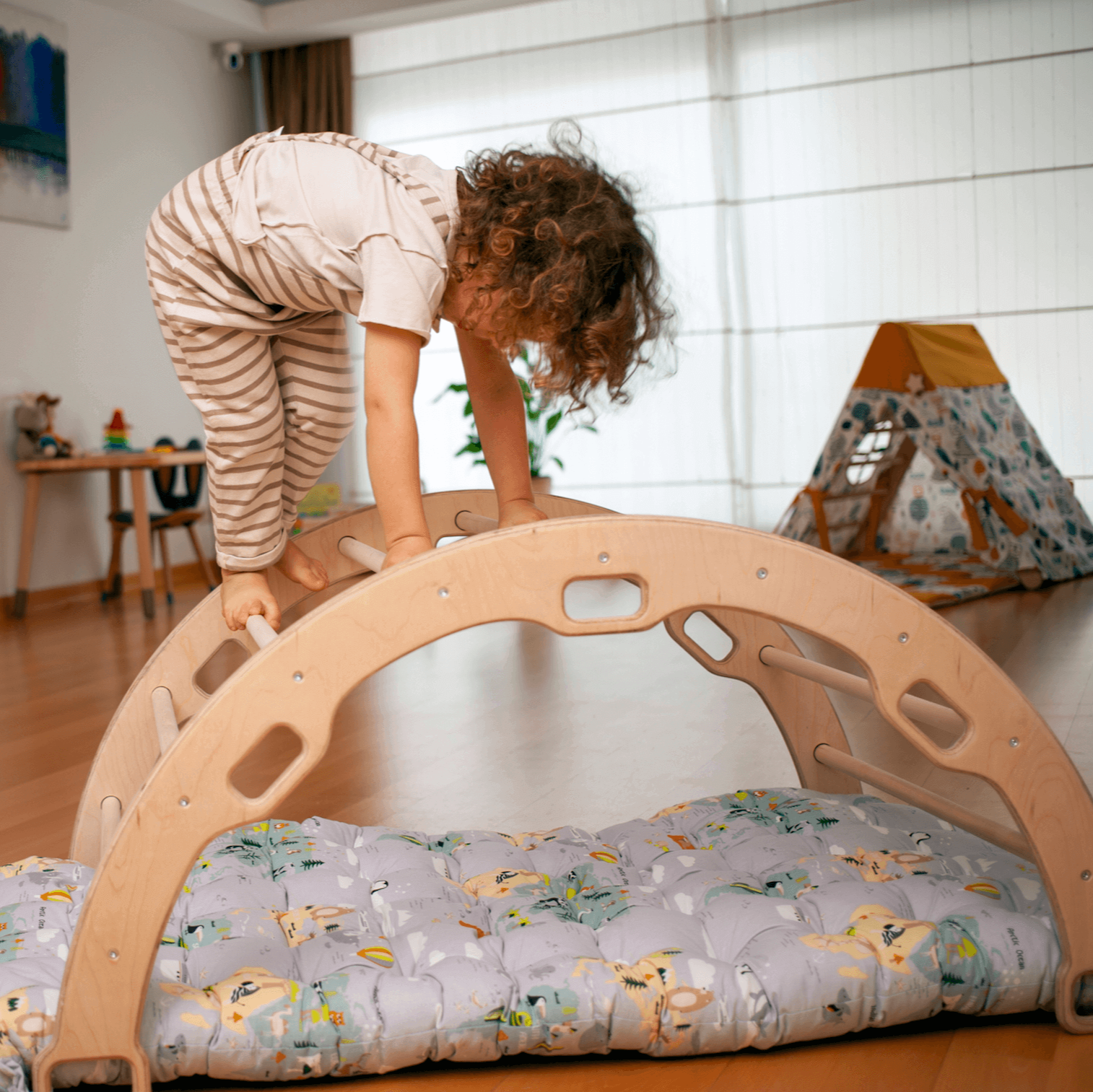
Present-day developmental science strongly underlines the necessity of open-ended play, the non-structured and timeless activities. A simple fabric or wooden frame is the perfect architecture for this type of learning.
-
Multi-Scenario Transformation: One day, the space can be a medical clinic; the next, it can be a high-tech laboratory or a hidden cave in a distant jungle. This flexibility forces the brain to work harder than it would with a toy that only does one thing.
-
Encouraging Social Negotiation: When siblings or friends share the space, it becomes a hub for social development. They must negotiate who owns the space, what the rules of the tent are, and how to collaborate on a shared imaginative story.
-
Language Development: Kids often engage in 'self-talk' inside these tiny compartments or even perform dialogues of imaginary characters. This practice is a must for the enlargement of vocabulary and the detection of the nuances in social communication.
A Place for Emotional Regulation and Quietness
Parents are opting for indoor play structures because of the growing understanding of children's sensory processing. In an open-plan house with televisions, appliances, and conversations, a child may become easily overstimulated and overwhelmed very quickly.
-
The Safe Haven Effect: A little space that is closed off provides a sense of security and protection. It happens quite often when a toddler is the one who is overstimulated or on the verge of a tantrum, a quiet zone marked for them can help them go back and self-regulate.
-
Seclusion and Independence: Just like adults, children also require a space where they are not under constant surveillance. This corner of quietness can be used by children for thinking, reading, or merely having a nap without the pressure of being around others.
Promoting Emotional Regulation and Calm Play
Contemporary homes can be hectic and loud, where children sometimes can't even find a moment to relax. A play tent is a jungle and a peaceful retreat for children where they can relax, reset, and self-soothe.
A private, quiet area designated for the child when they feel very stressed helps control the child's emotions to a greater extent. The acceptance of reading a book, having the company of soft toys while sleeping, or simply being in the tent is all supportive in the regulation of emotions.
What Makes Kidodido Stand Out?
Kidodido is a thoughtfully built children's brand that centres its attention on the child's development in the early stages of life through the use of Montessori-inspired products. Their product line consists of a wide assortment of wooden toys, learning furniture, indoor playground equipment, and practical life tools. Safety is our priority, which is achieved through the use of strong, eco-friendly, and non-toxic materials. In addition to premium products, our brand provides a hassle-free online shopping experience, professional product consultation for parents, reliable home delivery, and proactive customer support.
Indoor Children’s Play Tent offers not only pleasure but also imagination, emotional health, and independent play. By creating a dedicated area for creativity and relaxation, modern parents are turning to methods that support children's holistic development and can be easily integrated into the daily family routine. Therefore, the play tent is not merely an attractive accessory; it is a crucial investment in a child’s emotional growth and creativity. It offers a physical and symbolic zone for a child to flourish, to imagine and to be soothed in a hectic world.